
Enjoy browsing, but unless otherwise noted, these houses are private property and closed to the public.
So don't go tromping around uninvited! CTRL-F to search within the page.


WILLIAM EDMOND LESCAZE, FAIA (1896-1969)
Born in Onex, Switzerland, he studied at Collège Calvin and at École des Beaux-Arts before completing his education at the ETH Zurich in 1919. Lescaze contributed to the post-World War I reconstruction effort then immigrated to the United States in 1920. He worked for some time at the architectural firm of Hubbell and Benes in Cleveland OH. In 1923, he was offered a modeling job and moved to New York City and set up a design firm. His first major work was the design of the Oak Lane Country Day School outside Philadelphia. After a brief time in New York, he returned to Cleveland. In 1927, he designed the Sutton House Apartments project in New York City which allowed him to move back. In 1929, he formed a partnership with George Howe. Their first major project was the 1932 Philadelphia Savings Fund Society Building, considered the first International Modernist skyscraper in the US; also the first building with full air conditioning. He became known for introducting glass blocks into common construction use.
In 1935, William Lescaze established his own firm and taught industrial design at the Pratt Institute 1943–1945. He was married to Mary Hughes. Lescaze died of a heart attack at his home at 211 East 48th Street in Manhattan. In Geneva, Switzerland, a street was named after him. His son, Lee Adrien Lescaze (1938–1996), was an editor at The Washington Post. 1980 article about the FBI renting his home for a sting operation gained him national attention. Bio adapted from Wikipedia.
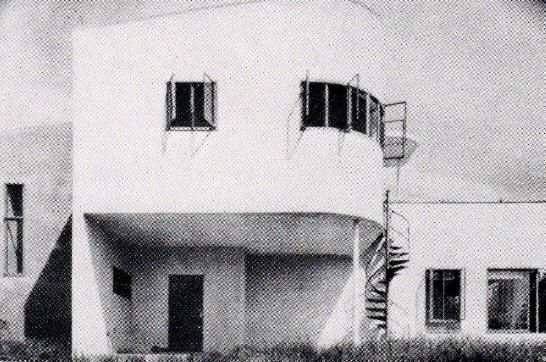
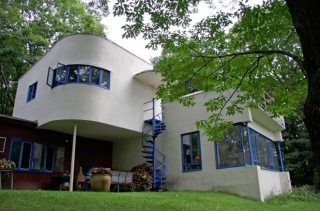
1931 - The Frederick V. Field House aka Sun Terrace, 393 Stub Hollow Road, New Hartford CT. Designed with George Howe.One of the earliest Modernist houses in the US. In 1936, he added a three-car garage of block construction at the northeast section. A 1941 addition included a single-story wing with two bedrooms and a bath on the west side, plus a dining space at the rear. Field fled to Mexico in 1953, abandoning the house. Sold in 1977 to Michael Taylor, who renovated it, removing many original features and built-ins. Sold to the Timothy Lyman Trust and restored by architect Gary Morgenroth in 1991. Despite heavy alterations, it was added to the National Register in 1978.

1931 - The Williamsburg Public Houses, 112 Maujer Street, Brooklyn NY. Standing as of 2020. Albert Frey worked on some early plans.
1932 - The Chrystie-Forsyth Street Housing Development, New York NY (with William Lescaze). Unbuilt. Albert Frey was put in charge of the design and built the models during the first part of 1932.” Featured in Shelter, April 1932.

1932 - The Leonard and Dorothy Elmhurst House, aka High Cross House, Dartington Hall, Totnes TQ9 6ED, Devon, United Kingdom. Commissioned by Leonard Elmhurst for William Curry, the first Headmaster of Dartington Hall School. The building deteriorated from 1987 and was used as a student hostel. It was restored in 1995 by architect John Winter and became the first British Modernist house to open to the public. Less than two years after signing a management lease, the National Trust abandoned the property citing low visitor figures (despite the fact that the home attracted 21,000 visitors, almost double the number attracted to the Trust's Erno Goldfinger’s Willow Road home in Hampstead). As of 2025, home to an artist while the C20 Society lobbies for repairs. Currently closed to the public and owned by the Dartington Hall Trust.
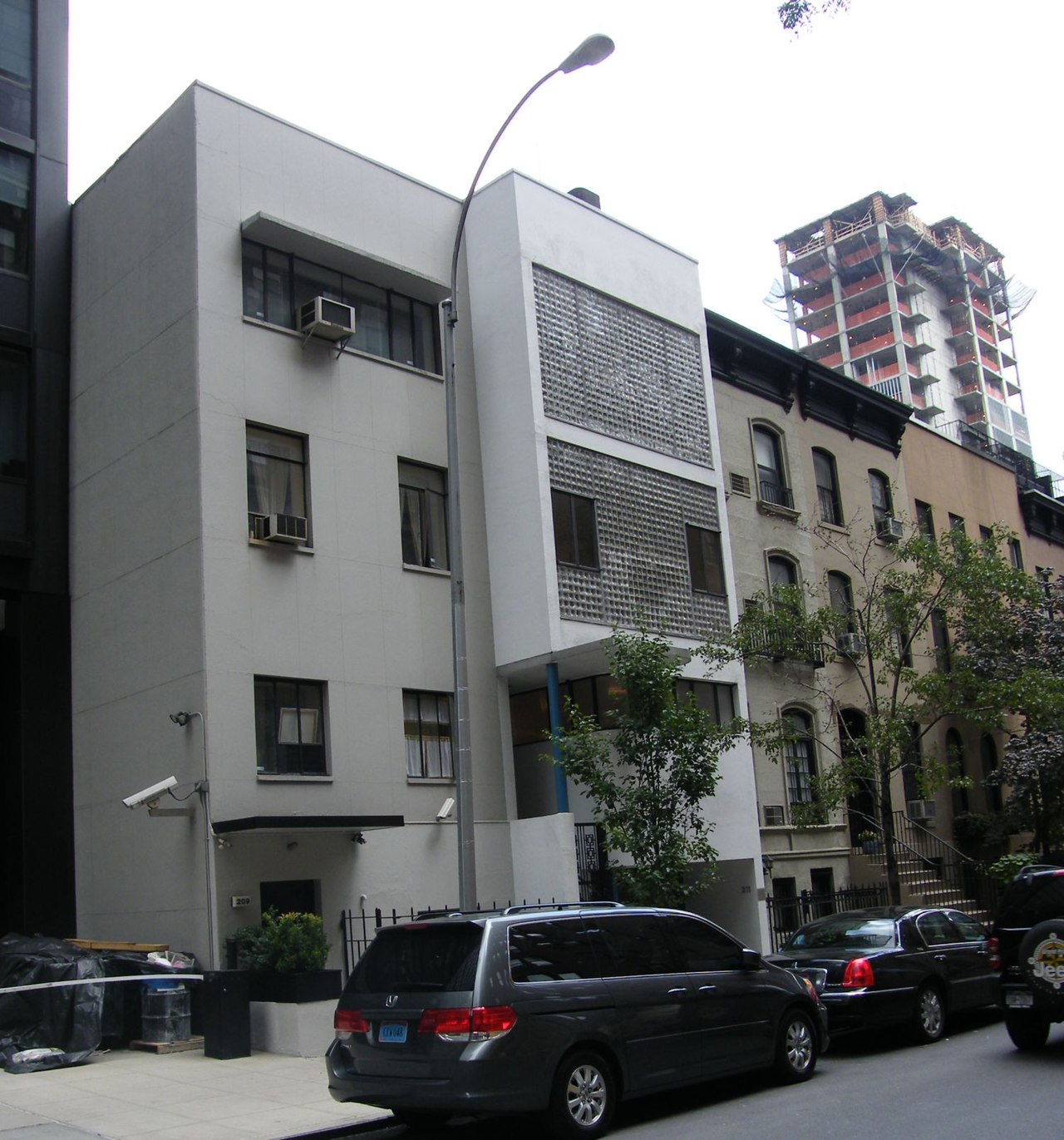
1934 - The William and Mary Lescaze House, 211 East 48th Street, New York NY. The house was the first to useglass blocksin New York. Sold in 1985 to the William Kaufman Organization, which conducted renovations but largely maintained the house's historic design. Sold in 2020 to Hendale LLC.

1935 - The Raymond C. and Mildred Kramer House, 32 East 74th Street, New York NY. Kramer alterations, house built in 1901. Sold to Urania New York LLC c/o Withers Bergman LLP. Sold in 2015 to 32 E. 74 Street LLC/Pretoria LLC. Transferred to family or business partner 32 E 74th Street LLC C/O New Start Development LLC.
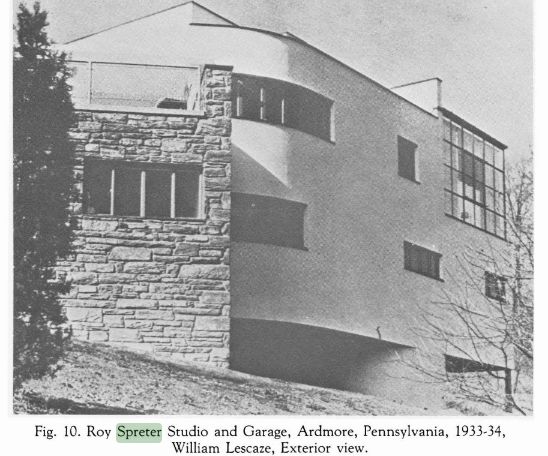
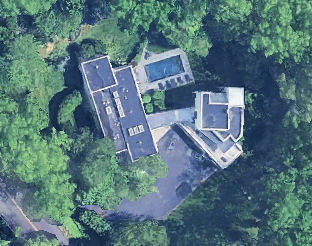
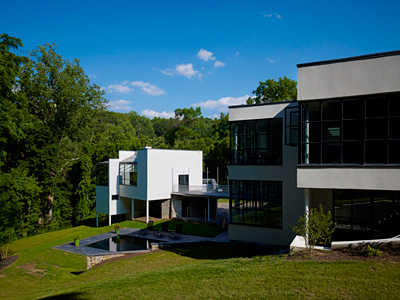
1935 - The Roy F. Spreter House. House. Spreter was the designer of the camel and pyramid logo on the Camel cigarette package. . In 2009, because of fear of demolition, preservationists reached out to architect Martin Jay Rosenblum for help. Rosenblum found a client who saved the structure, removed the additions to the original building, and added a new addition that was respectful to the original house. Status unknown.
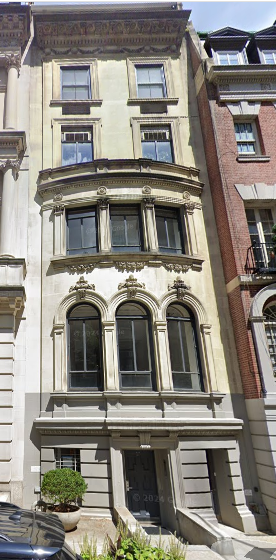
1935 - The Benjamin J. Buttenwieser House, 17 East 73rd Street, Manhattan, New York NY. Original house built in early 1870's by J. W. Marshall, who designed most of the row of houses. Publisher Joseph Pulitzer demolished the row of houses between 7 and 15 in 1900. His son Ralph bought 17 for him and his new wife in 1904. They hired the firm of Foster, Gade and Graham to do a remodel in 1905, replacing the front facade with limestone and updating the interior.. However, they never lived there as they had another home as well. He leased it for several years and more interior changes were made, before selling it to the Buttenwiesers in 1934. Before they moved in they hired William Lescaze to redesign the interiors. Most of the exterior was left the same, just removing a few ornaments and substituting casement windows. He sold the home in the early 1950's to the Republic of Guinea as its permanent Mission to the United States. In 1969 it was converted to a 3 family residence with a doctor's office on the ground floor. This is most likely when the mansard roof was converted to glass walled penthouse. It is still owned by the 1973 buyers, 17 E. 73rd Street Corporation and is leased out as a 3-unit co-op.

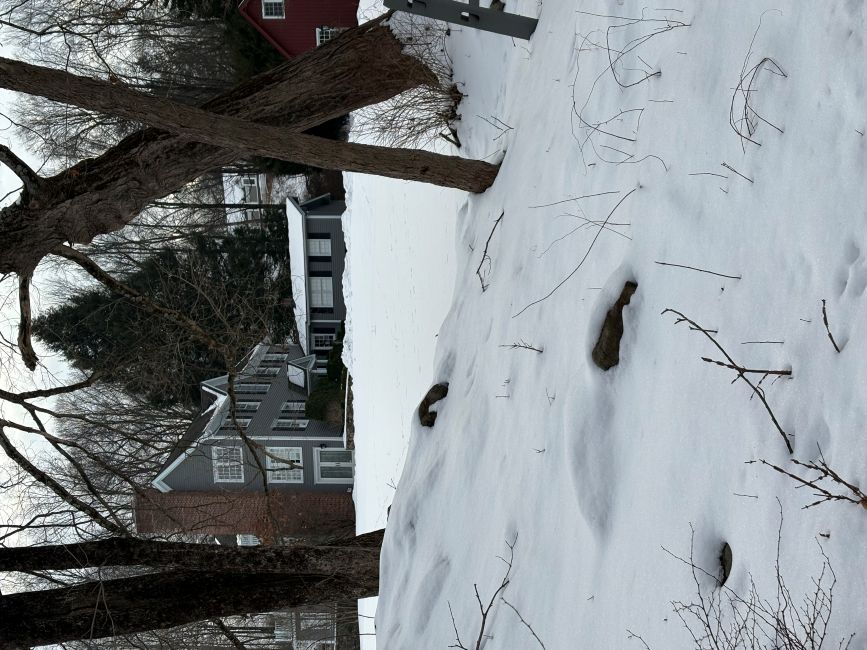
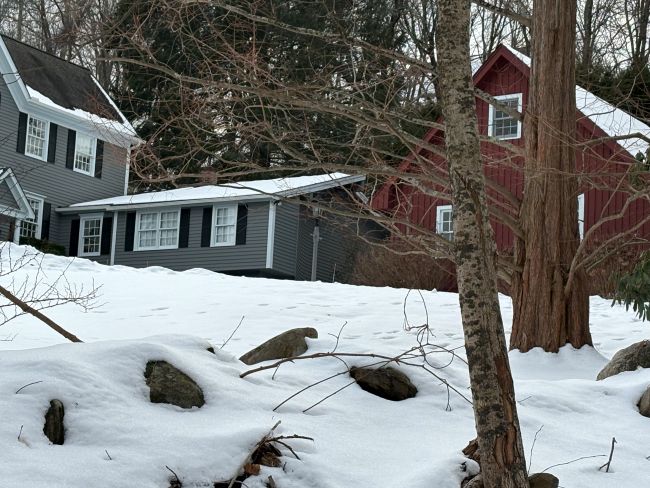
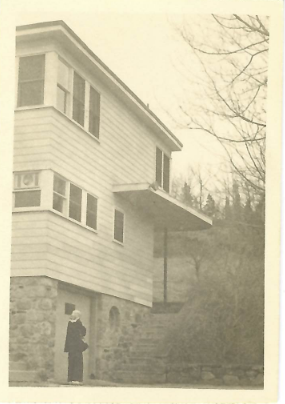
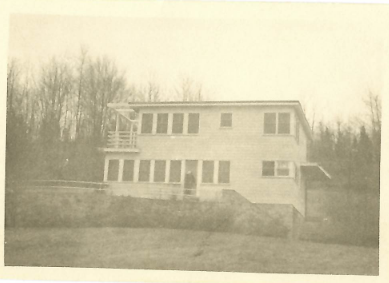
1935 - The Markel House, 36 Fox Run Road, Redding CT. it was modified by two different owners. An owner in the 1970s–1980s modernized the house and added the additions. The current owners later modified the house to give it a more colonial appearance. This work involved constructing a new exterior shell around the original structure, while many original interior features remain intact. The curved patio and railing, visible in the historic photograph remain. Information courtesy of the current owner of the house and Janet Ivaldi, Head of Adult Services and Circulation at Mark Twain Library in Redding, CT.

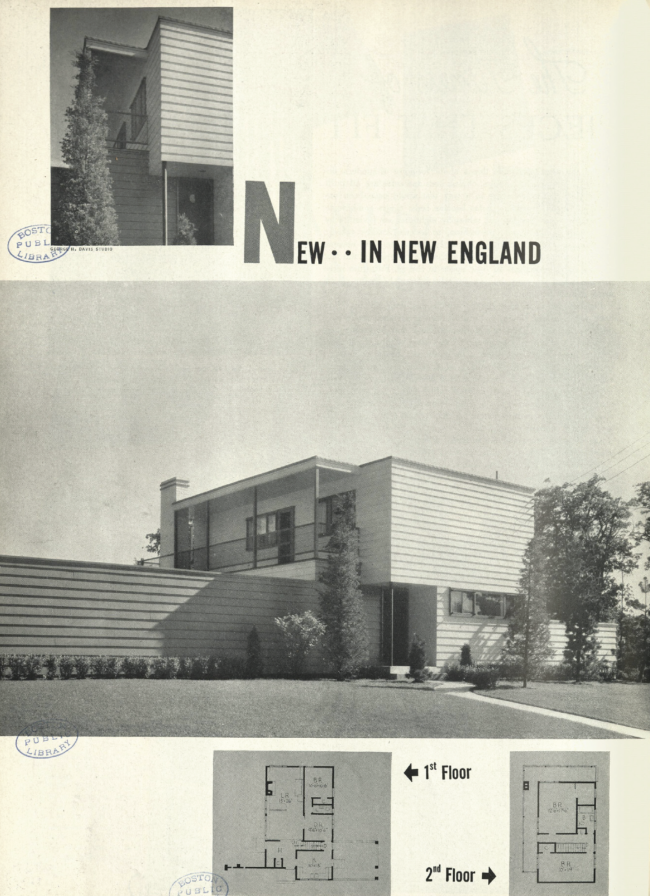
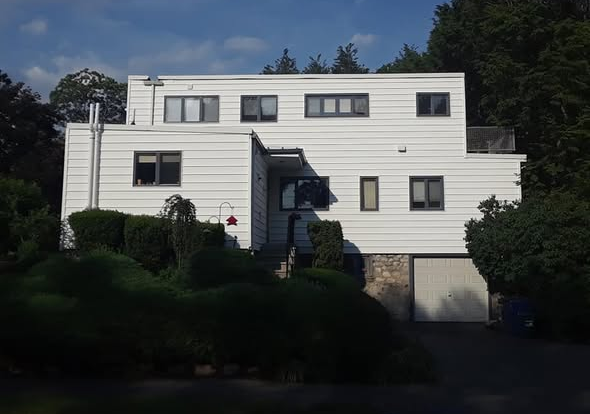
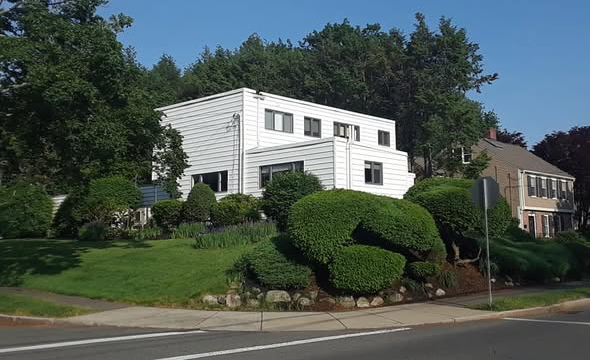
1936 - The Vincent K. Cates House, 69 Burrell Street, Melrose MA. Built as personal residence for Cates who was a local contractor. Cates built many residences in the area, many of them designed by architect Royal Barry Wills. In 2018, the house was up for sale and the local DOCOMOMO US/New England chapter in partnership with Compass Realty held an open house hoping to save the home as it had no historic protections. Sold in 2019 to Karen Stein and Matthew Stanley. Featured in Architectural Forum, November 1936.
1936 - The William Butler House, Harvey Cedars NJ. Designed with George Daub. Status unknown.

1936 - The F. S. Dunn House, Woodbridge CT. Lescaze also designed a cottage there in 1939. Status unknown.


1936 - The Lloyd Good House, Harvey Cedars NJ. Designed with George Daub. Destroyed by a hurricane on September 4, 1944.
1937 - The Howard Markel Country House, Redding CT. Status unknown.
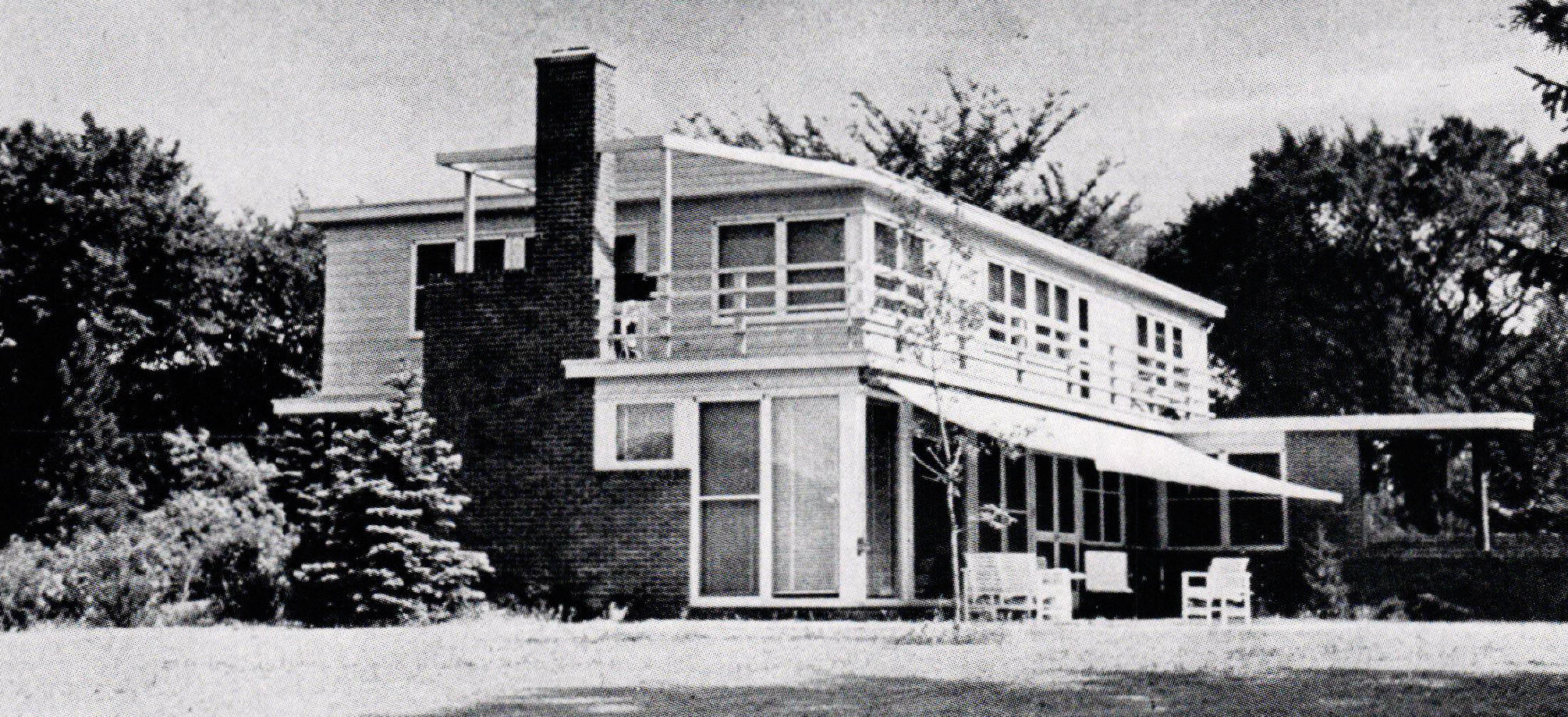


1937 - The Fred V. Nash House, 17840 Breezy Point Road, Wayzata MN. Sold to Charles Sweatt Jr. Sold in 1995 to Mark Lovaas, who owns it as of 2025.


1937 - The Williamsburg Houses, aka The Ten Eyck Houses, bordered by Scholes, Leonard and Maujer Streets and Bushwick Avenue, Brooklyn NY, a 20-building modernist housing project under the Public Works Association. Richard Shreve was chief architect while a design team of nine architects was led by William Lescaze. Starrett Brothers and Ekon were the contractors (they had worked closely with Shreve on the building of the Empire State Building.). This 20, 4-story residential building project occupies 12 city blocks and was one of the first International Design buildings built in the United States. It was designated a NYC landmark in 2003 and added to the National Register of Historic Places in 2021, when it was converted into Section 8 housing.
1937 — Bernard Rogers House, 291 Weymouth Drive (originally 8 Weymouth Drive), Rochester, NY. Last prewar owner was Leon Bonfield in 1948; the house went up for sale soon after. The original address disappears after 1950, likely due to postwar redevelopment and renumbering on this very short street. The house has been updated, but the plan remains largely intact. Sold in the early 1950s to Howard and Josephine Failmezger; late 1960s–early 1970s to Susan Rosenthal. Sold in 1998 to owners Richard and Catharine Kurz.
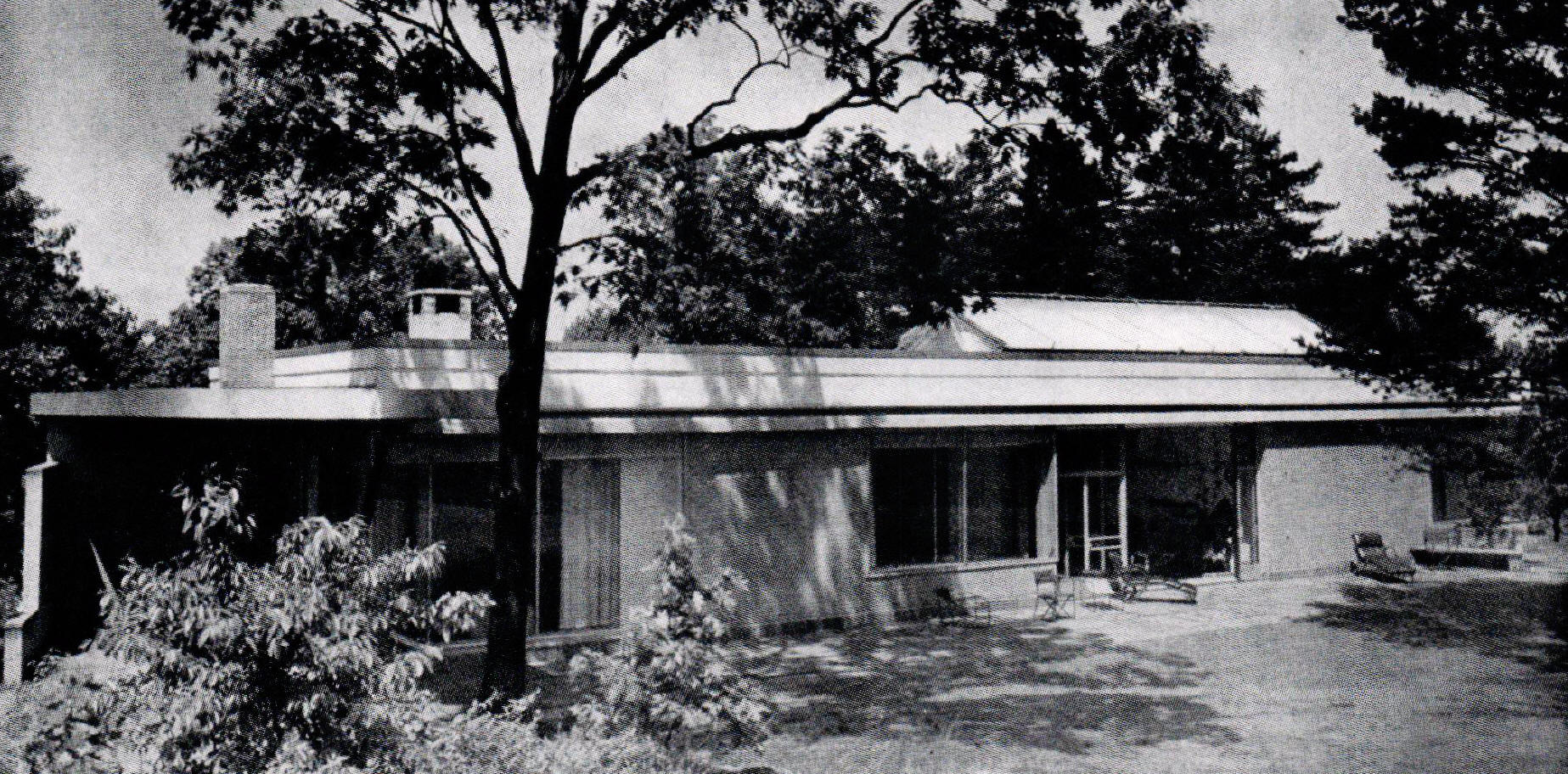

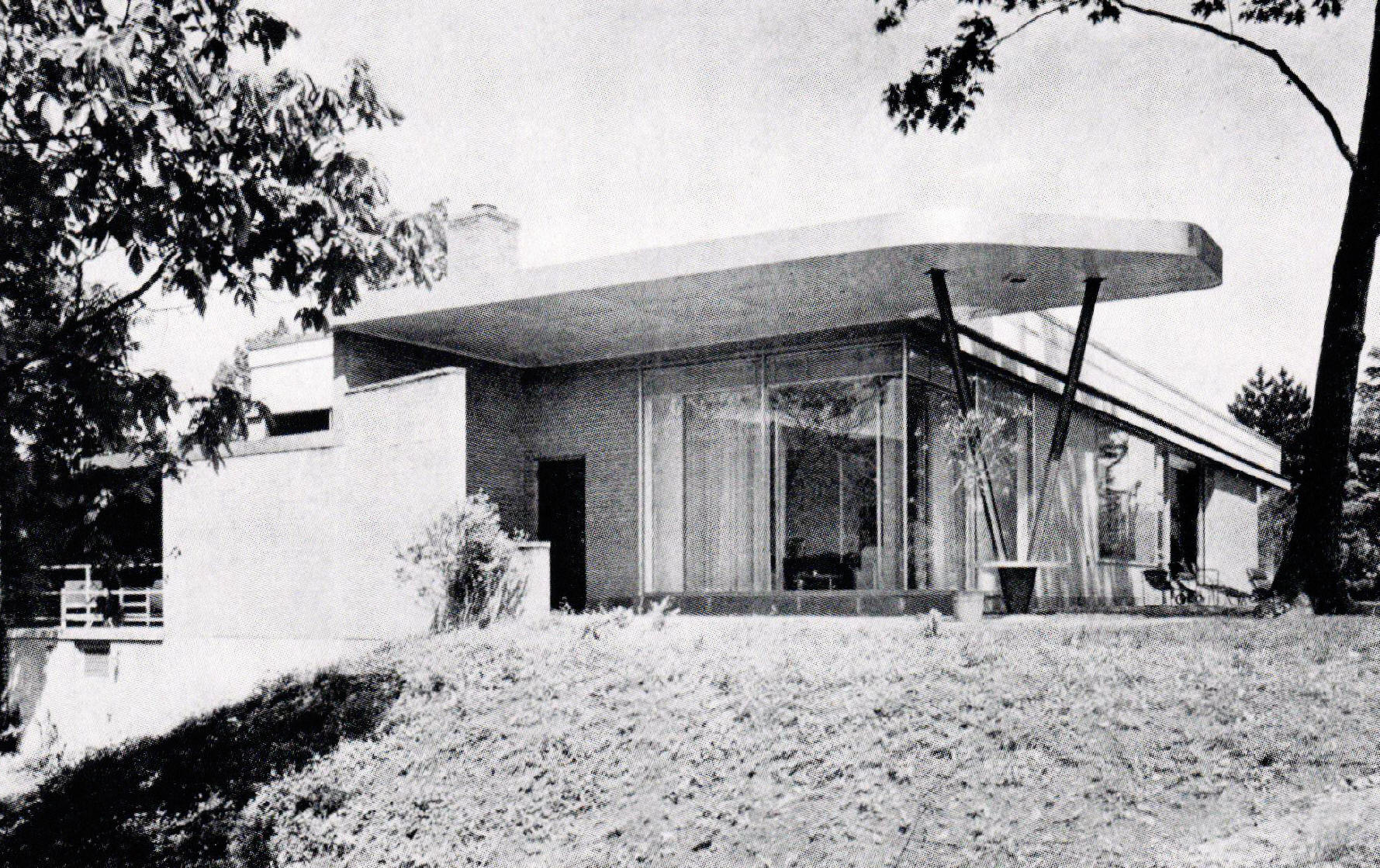
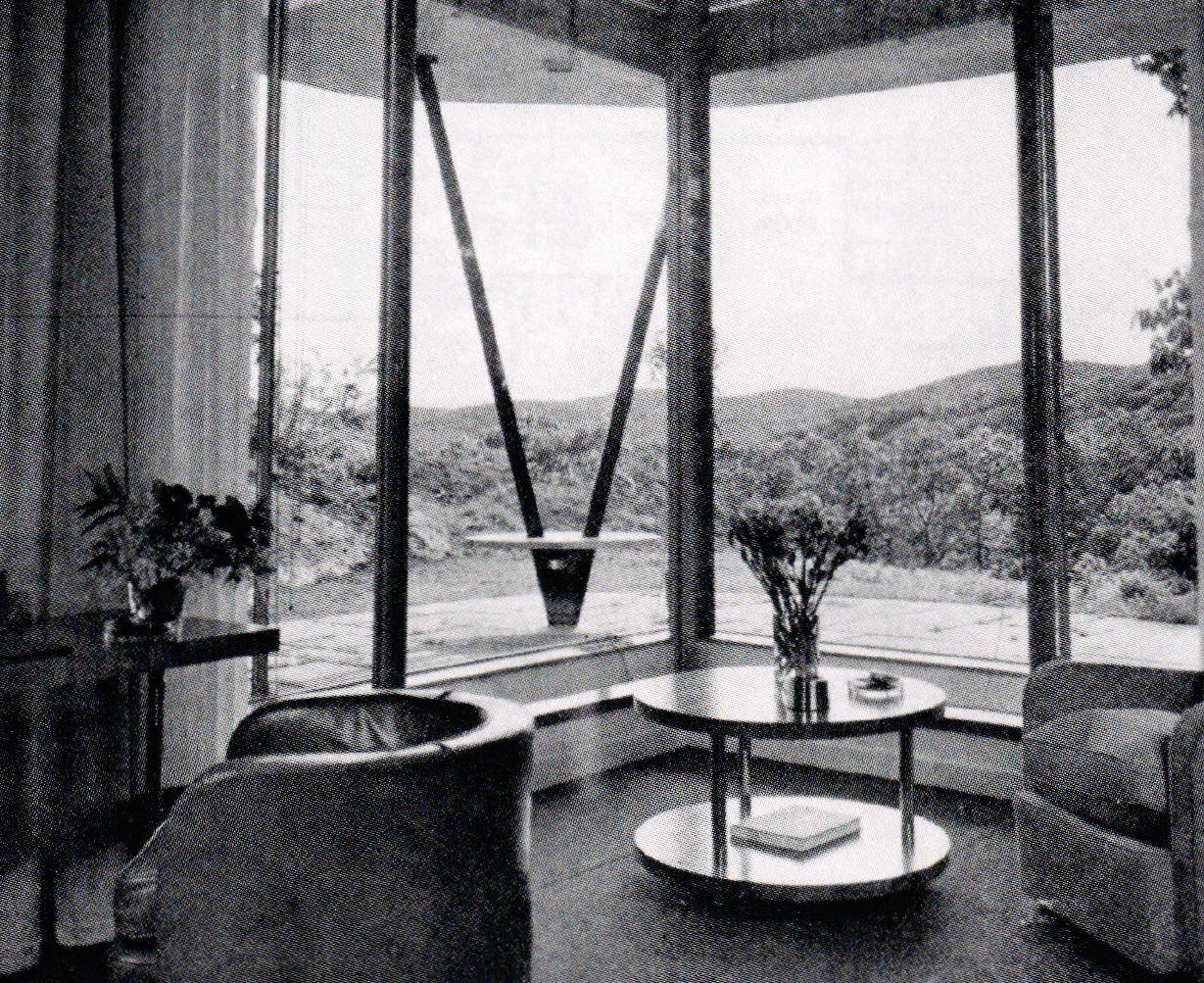

1938 - The Alfred L. Loomis Guest House, 61 Crow's Nest Road, Tuxedo Park NY. 13 acres. Published in Architectural Forum, July 1939. A unique double envelope design. Loomis had a long affair with Garret Hobart's wife, Manette, that eventually broke that marriage, with Manette marrying Loomis. Loomis was secretly been experimenting with radar technology for the US and UK governments at a private lab on the property. The Secret of Tuxedo Park was the subject of a PBS special. Sold before 1977 to Edith Smith. Sold in 2015. Sold in 2025 to 1815 State Street LLC and Mark J Bruno II.


1938 — Garret A. Hobart III House (aka Hawk Haven), 52 Turtle Point Road, Tuxedo Park, NY. Built on the former site of Craghurst, the 1900 John Murray Mitchell and Lillian Talmage Mitchell estate. The Hobart marriage ended after Manette Hobart’s long affair with Alfred Loomis, whom she later married. The property was sold before 1977 to Ovila L. Bibeau; the Hobart-era house was later demolished. A new house was built on the site in 1997 and sold in 2012.
1939 - aka House for 2089, included a helipad on the roof. Status unknown.


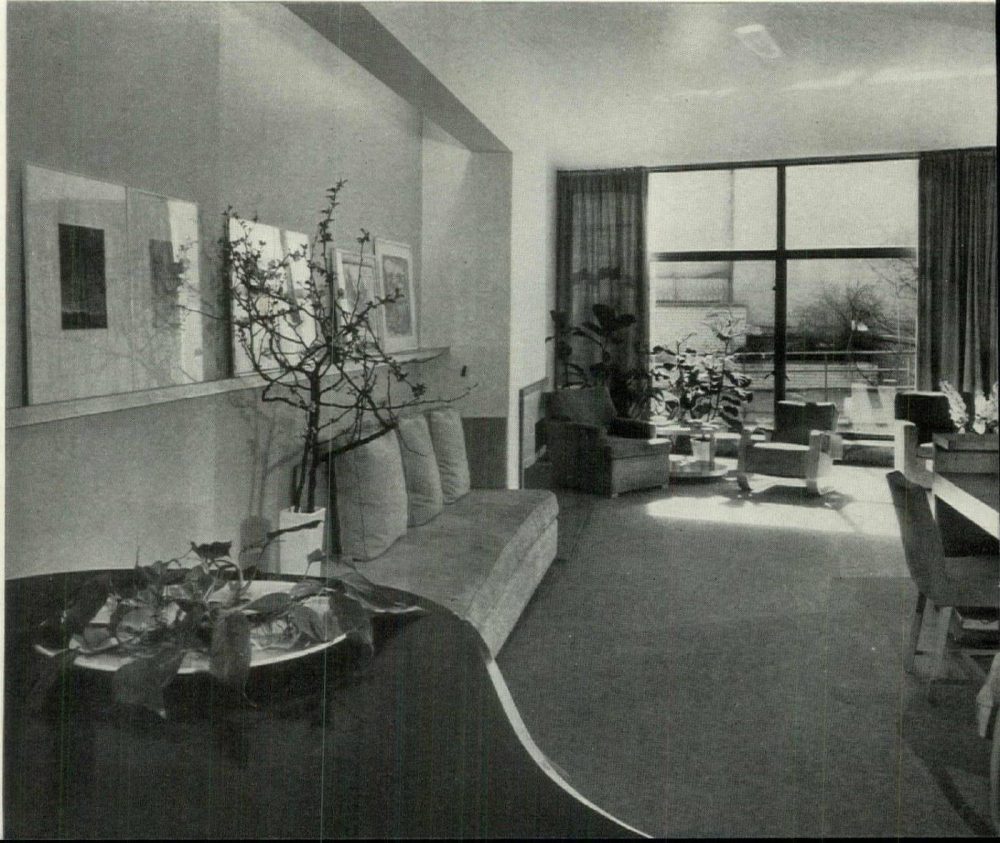
1941 - The Edward and Dorothy Norman Residence, 124 East 70th Street, New York NY. 6200sf. B/W photos by Gottscho. Sold in 2024 to 124 E 70 LLC. Built by Sheppard-Pollak; heating engineer, Leslie Hart. A rejuvenated brownstone included in the Museum of Modern Art's selection of outstanding architecture. The light brick and glass block facade fronts a plan that gives one entire floor to living room and library, with a canted, cantilevered rear wall adding light and a garden overhang. Featured in Architectural Forum, March 1945.


1961 - Manhattanville Public Housing, between Broadway and Amsterdam and 129th to 133rd Streets, New York NY. Six 20-story buildings with 1,272 units. Listed on the National Register of Historic Places in 2024. Converted to private ownership in 2025.
Sources include: Modern Houses of 1940. Research by Catherine Cramer.