
Enjoy browsing, but unless otherwise noted, these houses are private property and closed to the public.
So don't go tromping around uninvited! CTRL-F to search within the page.
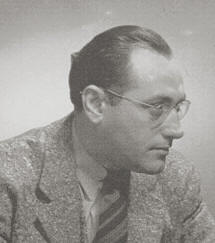
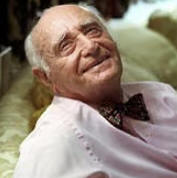
MORRIS LAPIDUS (1902-2001)
Born in Odessa, Ukraine, his Jewish family fled Russian persecution to New York when Lapidus was a baby. As a young man, Lapidus explored acting which led to his interest in theatrical set design and later architecture. He attended Columbia University, graduating in 1927. Lapidus worked for the prominent Beaux Arts firm of Warren and Wetmore 1927-1929. From 1929 to 1943 he worked with Ross-Frankel designing retail buildings. In early 1942 his father's company US Metals employed him to design a Signaling Search Light, which had been commissioned by Admiral Rickover. Later, l. Lapidus was asked to redesign and improve five hotel projects in Miami Beach, all along Collins Avenue. The hotels were an immediate popular success and Lapidus' career skyrocketed.
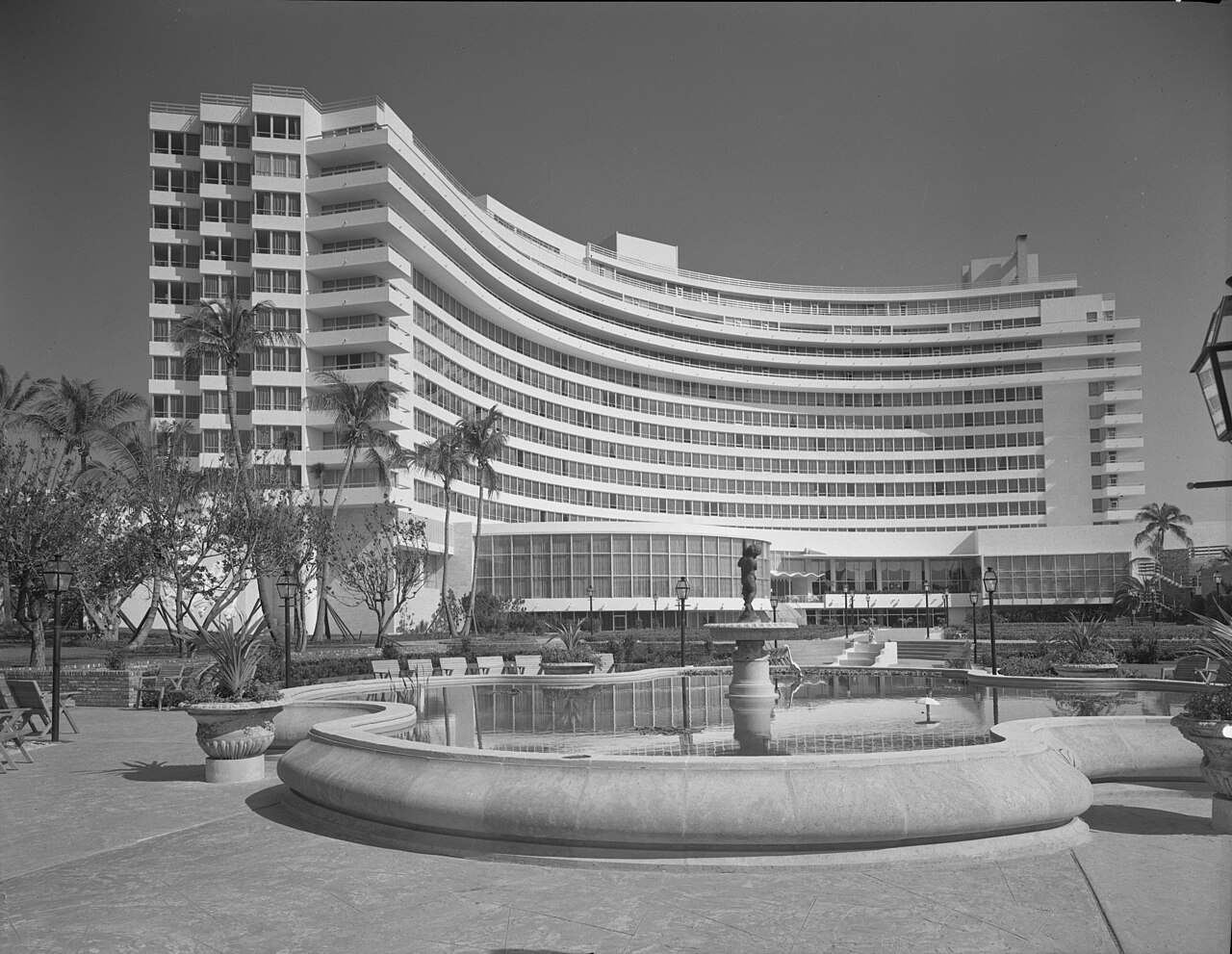
Then in 1952 he landed a huge hotel commission, the Fontainebleau, a 1,200 room
Miami Beach hotel built by Ben Novack on the former Firestone estate.
The opening of the Fontainebleau, photo above, was shown on
TV. Americans watched as dancing people in ballrooms
streamed into their living rooms and soon everyone's
vacation plans included Miami. It became one of the most famous hotels in the world
and
was followed the next year by the equally successful Eden
Roc Hotel and in 1956 the Americana (later the Sheraton Bal
Harbour, since destroyed). The
Fontainebleau was the location for the 1960 Jerry Lewis film
The Bellboy, the James Bond thriller
Goldfinger; and Whitney Houston's
Bodyguard.
The Fontainebleau's most famous feature is the "Staircase to
Nowhere" which offers the opportunity to make a
glittering descent into the hotel lobby.
Lapidus designed 1200 buildings, including 250 hotels.
Sadly, the architectural establishment regarded him an
garish outsider, tried to ignore his work, then when it
became popular characterized
it as kitsch. Ada Louise Huxtable, writing in the
New York Times, said of the Americana, "The effect on
arrival was like being hit by an exploding gilded
eggplant." This critical reception perhaps
culminated in a 1963 AIA meeting held at the Americana, where architects including
Paul Rudolph
and Wallace Harrison called him
out for vulgarity, cheapness, and
incompetence. For 50 years his architecture was not
published in major architecture magazines. Lapidus
tried to ignore the critics, but they significantly affected his
career and reputation. He burned most of his
drawings when he retired in 1984 and remained personally
bitter. But - Lapidus got the last laugh. From 1993
until 2001, Lapidus had a resurgence. Deborah Desilets left Arquitectonica
in 1996 and worked with Lapidus on projects and his
archives. They worked on the Fontainebleau expansion.
Lapidus was honored by
the Society of Architectural Historians at a convention held
at the Eden Roc hotel in 1998. In 2000, the
Smithsonian's Cooper-Hewitt National Design Museum honored
Lapidus as an American Original for his lifetime of work, he
was interviewed on November 14, 2000 by Charlie Rose. Lapidus bequeathed his
name and IP rights to Desilets, and she gave Syracuse
his archives. His unbuilt projects are the focus of
Desilets' book, Too Much To Be BUILT: Morris Lapidus. His
autobiography is Too Much is Never Enough. He was
married for 63 years to Beatrice, who died in 1992. His son, architect Alan
Lapidus, worked with his father for 18 years and said, "His
theory was if you create the stage setting and it's grand,
everyone who enters will play their part." Bio adapted from Wikipedia.
"My whole success is I've always been designing for people, first because I wanted to sell them merchandise. Then when I got into hotels, I had to rethink, what am I selling now? You're selling a good time." -- Morris Lapidus
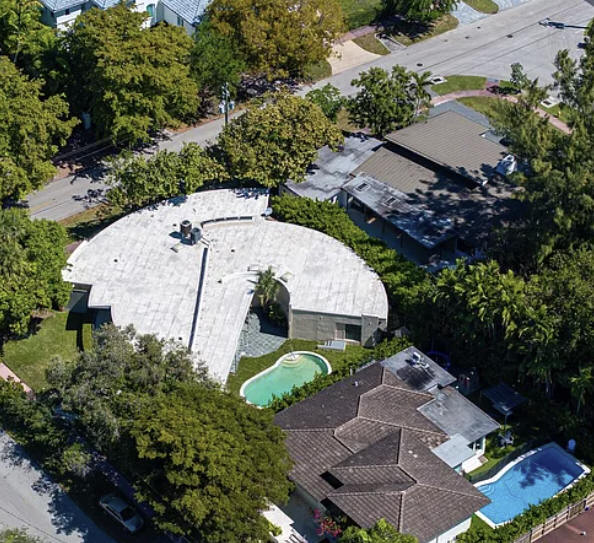
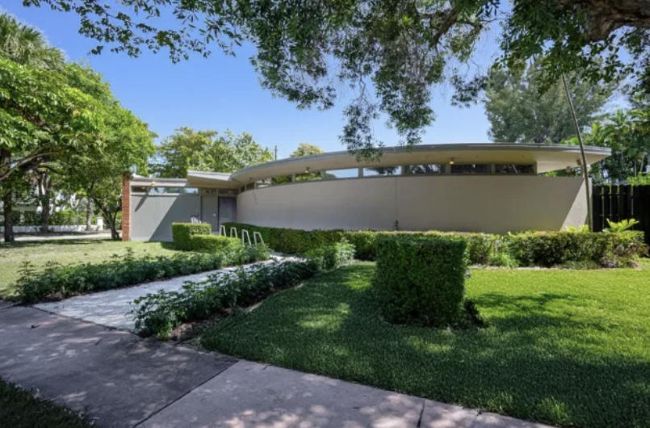
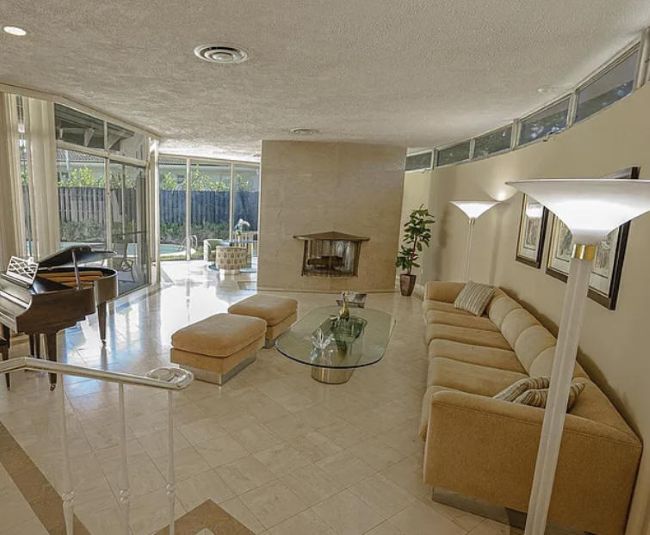
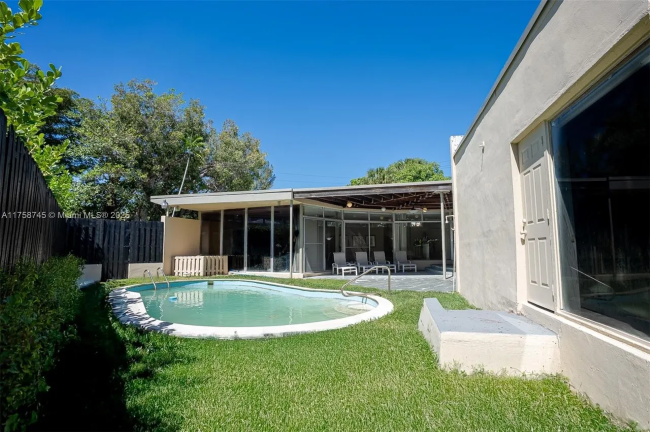
1954 - The Irving Pollack House, 4595 North Michigan Avenue, Miami Beach FL. 4052 sf. Designed for the operator of the Nautical and Shelbourne Hotels. Sold in 1978 to David and Arline Reinhard. Transferred in 2024 to Reinhard's children, Felisa Hochheiser, and Jay and Jennifer Reinhard. Sold in 2025 to 4595 North Michigan Avenue LLC, From an aerial view, the house looks like Pac-Man is eating the pool.
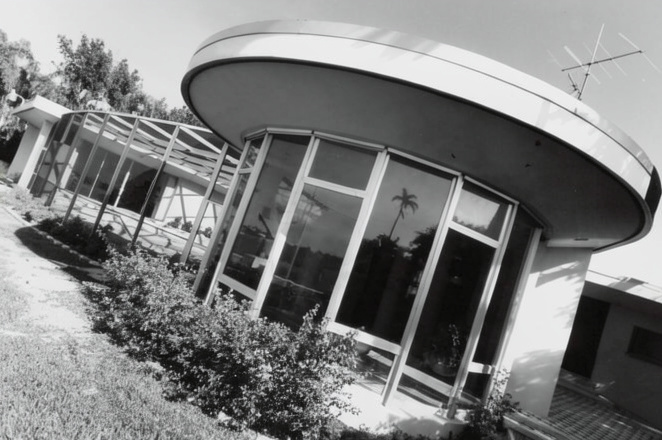
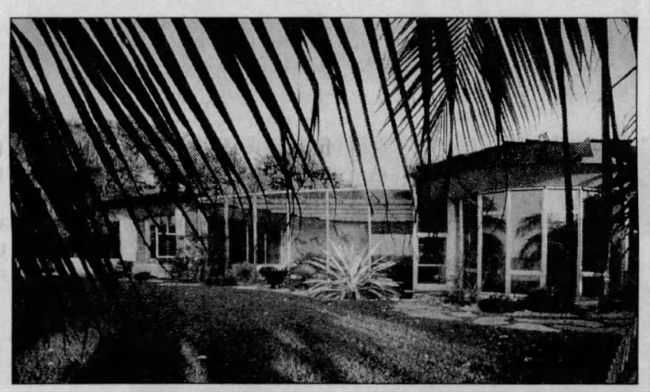
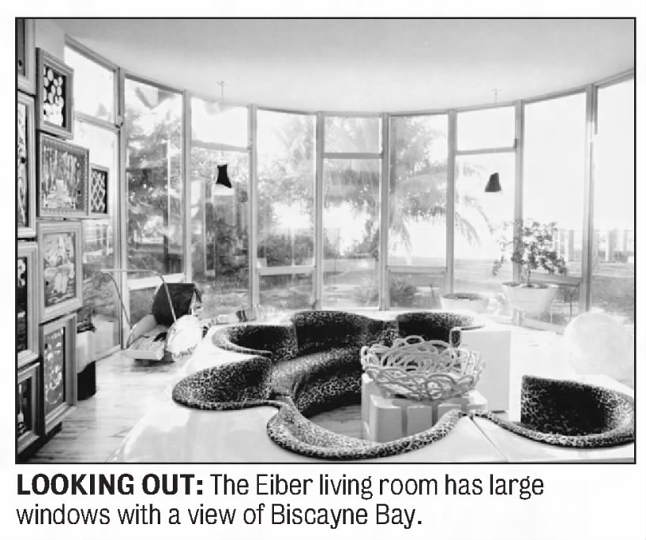
1958 - The Leonard Finn House, 5160 North Bay Road, Miami Beach FL. Originally built for Lapidus's dentist. Finn was drilling his tooth when he told Lapidus to design a house for him."I said I didn't design houses, only buildings," Lapidus told The Herald in 1993. "He said, 'I'm going to keep drilling until you say yes.' I put my hand up and said, 'I'll design your house.'" Sold in 1972 to Arnold and Eileen Oper. Sold in 1991 to Alberto and W. Kim Eiber who completely restored it to the original, then invited Lapidus for a visit.
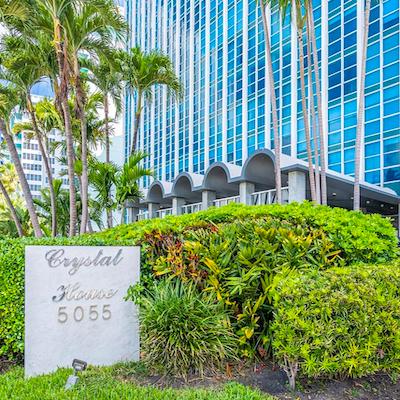
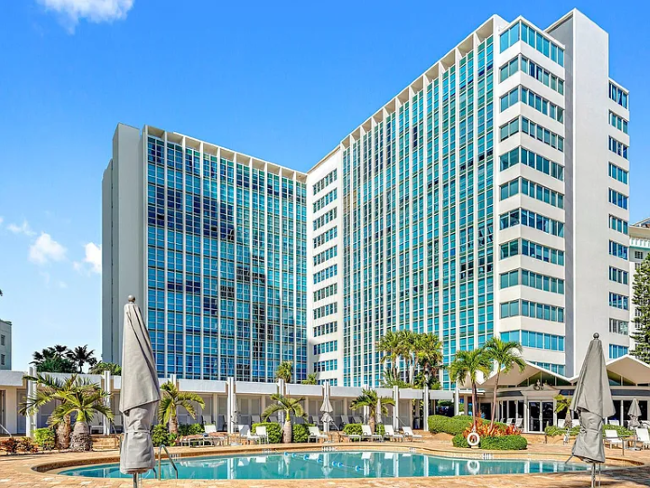
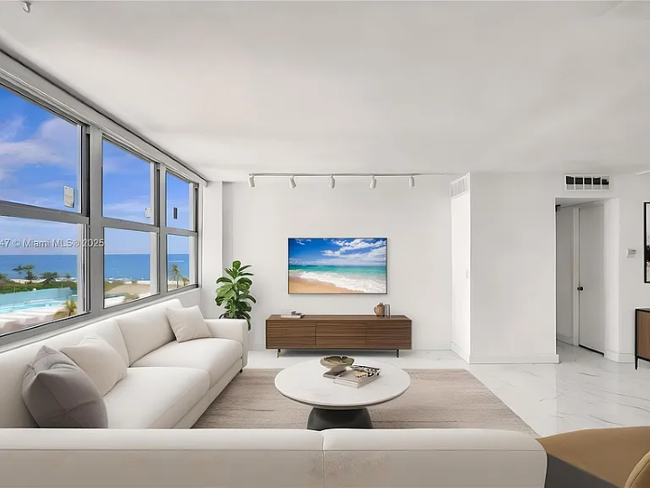
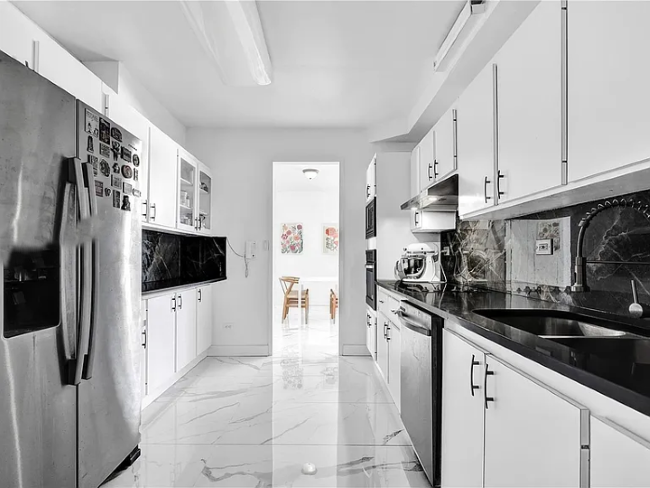
1962 - The Crystal House Condos, 5055 Collins Avenue, Miami Beach FL. 165 units over 14 stories. 1, 2, and 3 bedroom, 1,109-3,118 sf. Example: 5A,. Sold in 2025.
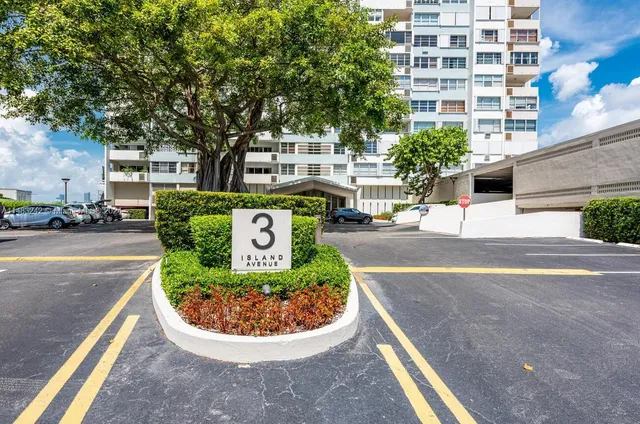
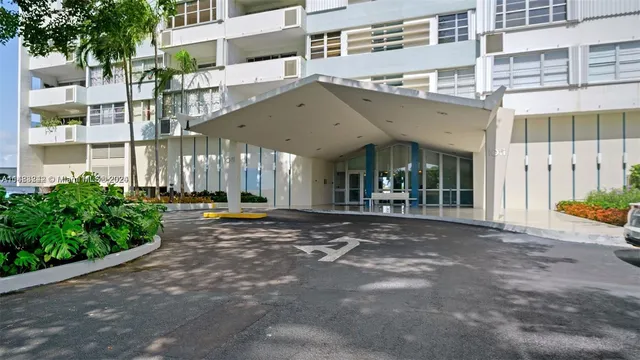
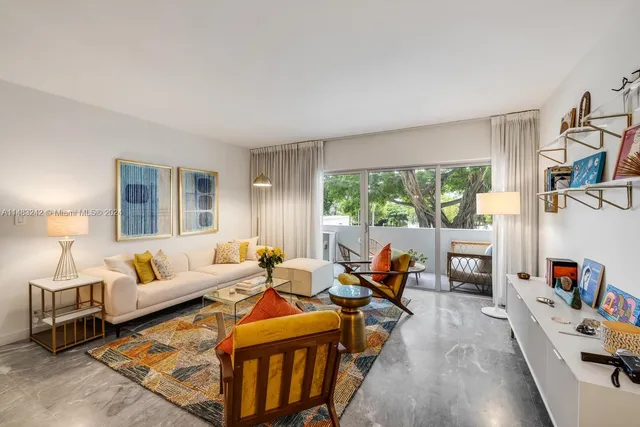
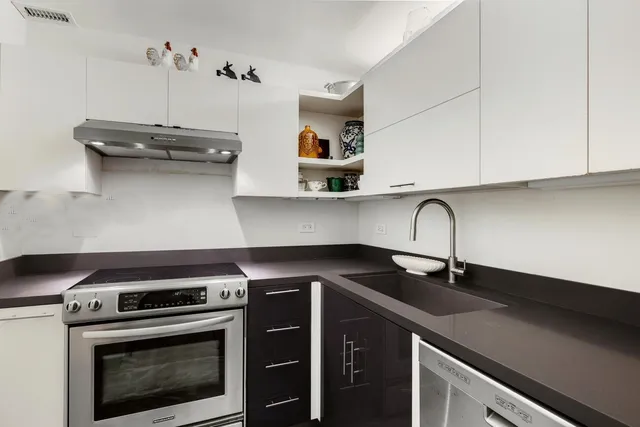
1962 - The Terrace Towers, 3 Island Avenue, Miami Beach FL. Morris Lapidus owned Unit 31 until his death. Studio, 144 apartments over 12 stories, studio, 1 and 2 bedroom, 598-1,384 sf. Example: Unit 3L Sold in 2024.
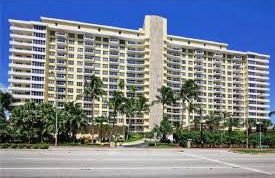
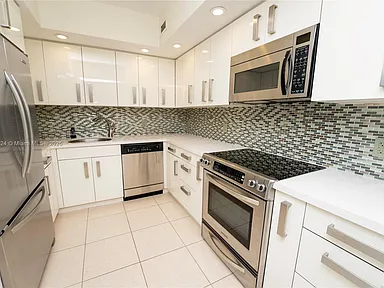
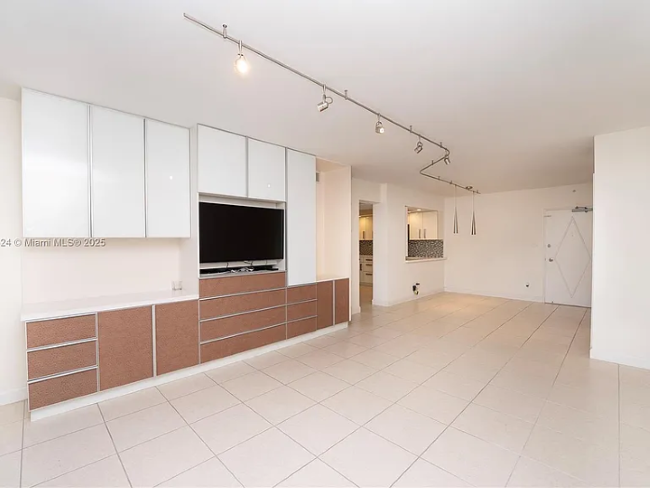
1967 - The 5600 Condominiums, 5600 Collins Avenue, Miami Beach FL. 288 apartments over 17 stories, 1, 2, and 3 bedrooms 930-2,100 sf. Example apartment 4H , 2 bd/2 bath sold 2025.
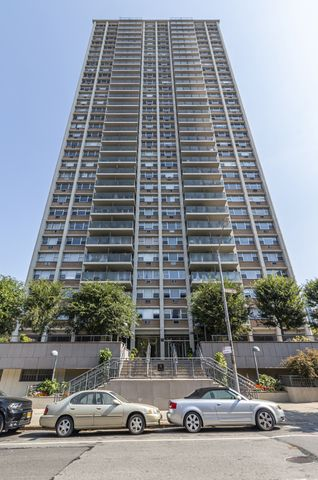
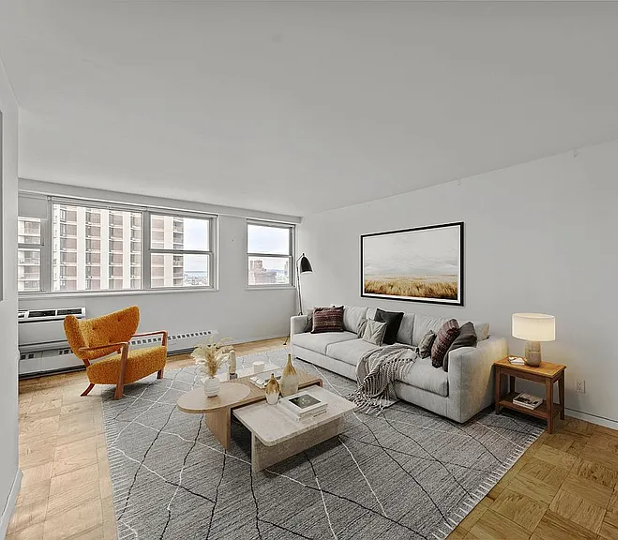
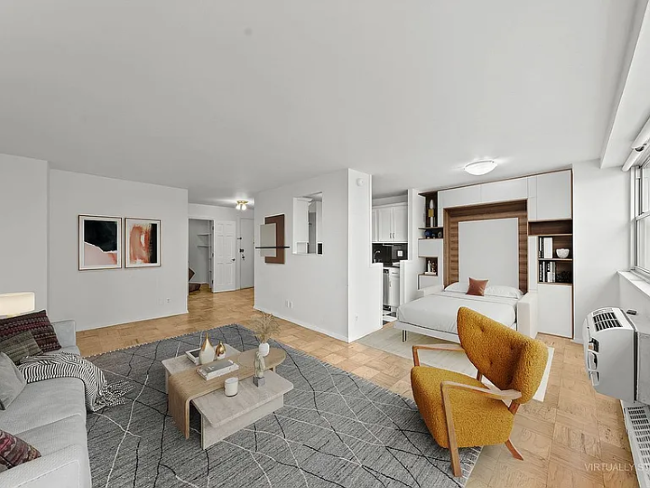
1968 - The Whitman Coop, 75 Henry Street, Brooklyn NY. 370 units over 33 stories, alcove studios to 4-bedroom + 16 townhouse units called Whitman Close offering two-story layouts. Example Apt 18J a studio, currently under contract.
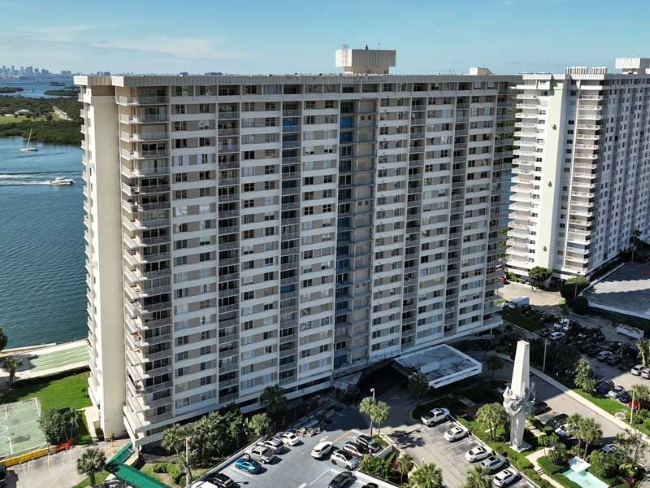
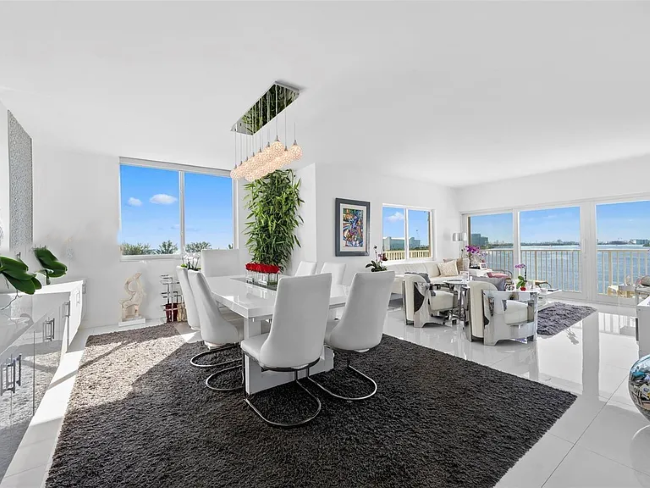
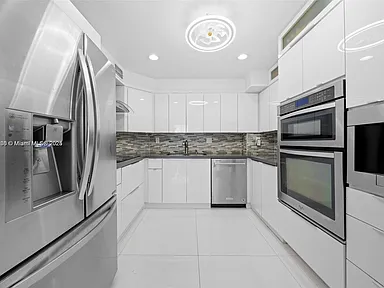
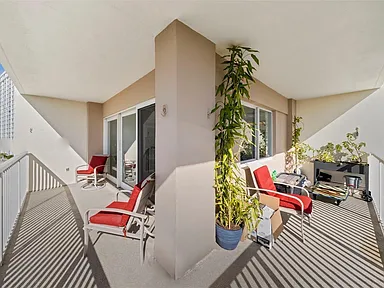
1968 - Arlen House 300, 300 Bayview Drive, Sunny Isles Beach FL. 312 apartments over 22 stories. Studios - 3 bedroom, 590-1,570 sf. Example unit: Apt 616, 3 bedroom. Sold in 2025. Note: Arlen House consists of 3 buildings, all designed by Lapidus for Arlen Realty Development Corp.
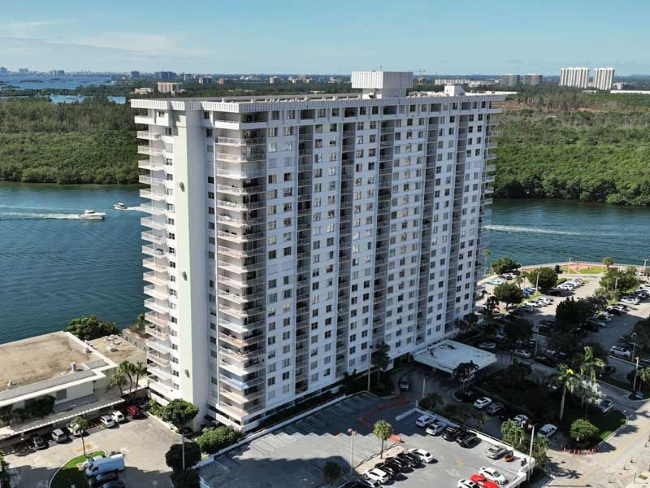
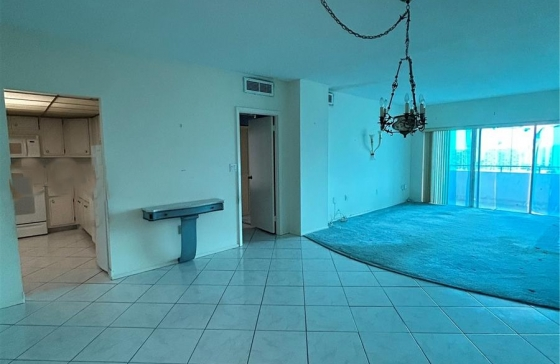
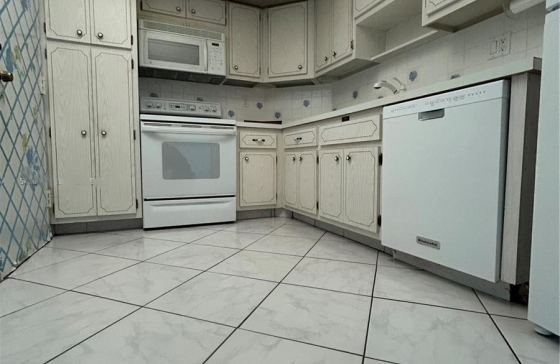
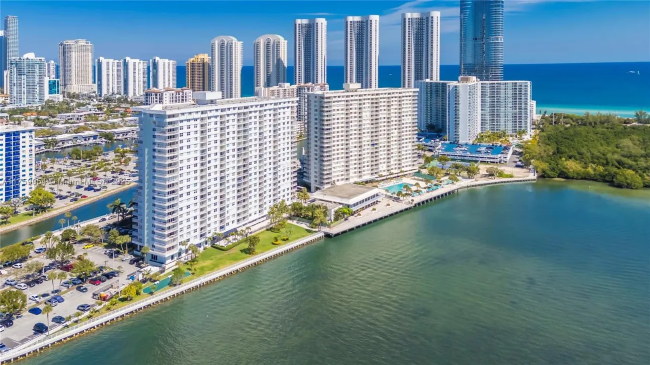
1969 - Arlen House West, 500 Bayview Drive, Sunny Isles Beach FL. 312 apartments over 22 stories. Studios - 2 bedroom. Example unit: PH27 1 bd/1.5 ba. Sold in 2025. Last photo is all 3 of the Arlen Buildings with 500 the closest one, 300 in the middle, and 100 farthest right.
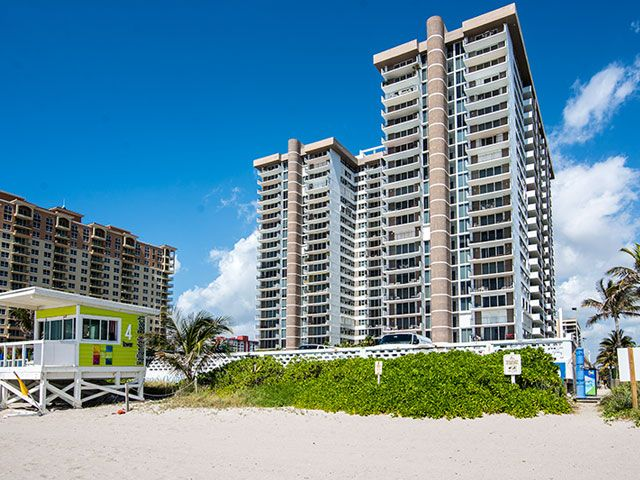
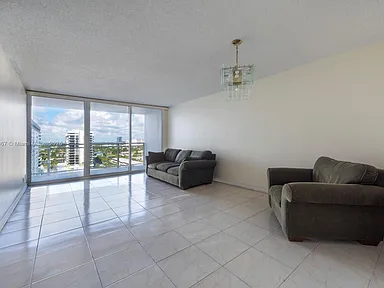
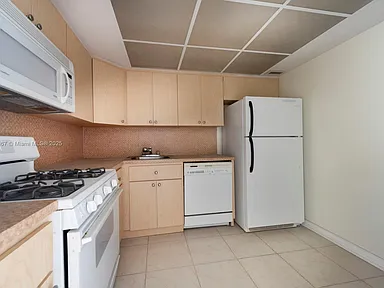
Around 1972 - Parker Plaza Estates, 2030 South Ocean Drive, Hallandale Beach FL. 518 apartments over 22 stories. Example: unit 1002, 1 bed/1 bath, 736 sf. Sold 2025
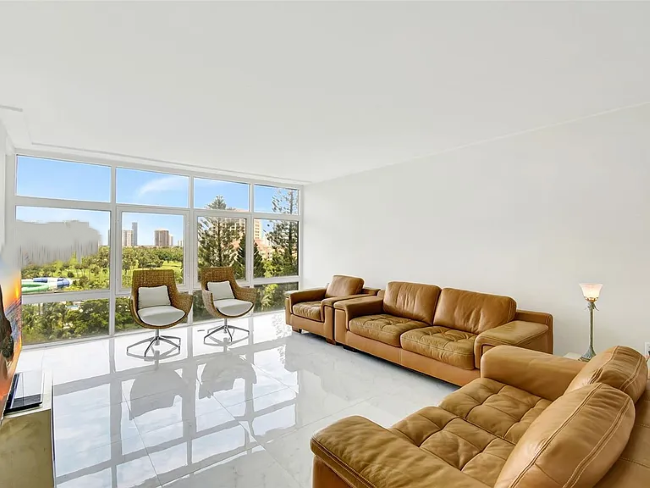
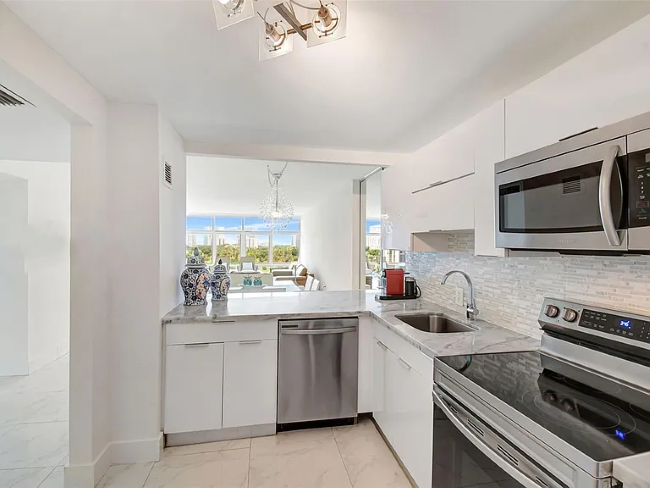
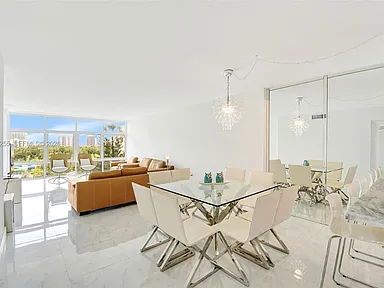
1974 - Bonavida Condominiums, 20100 West Country Club Drive, Aventura FL. 144 units over 14 stories. Example unit: 1005, 2 bd/2 ba, 1,308 sf. Sold in 2025.
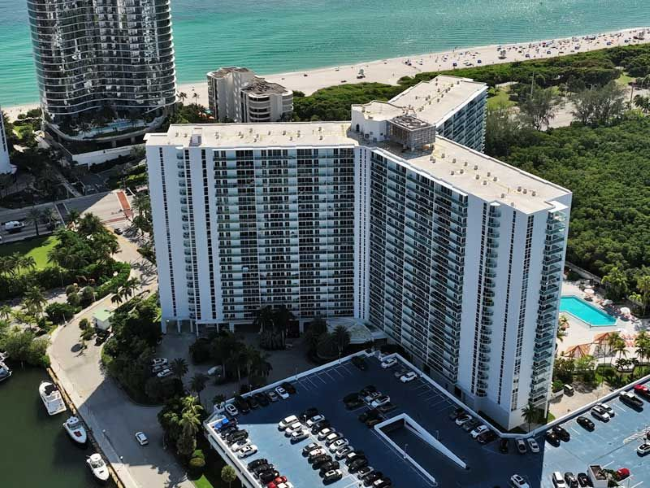
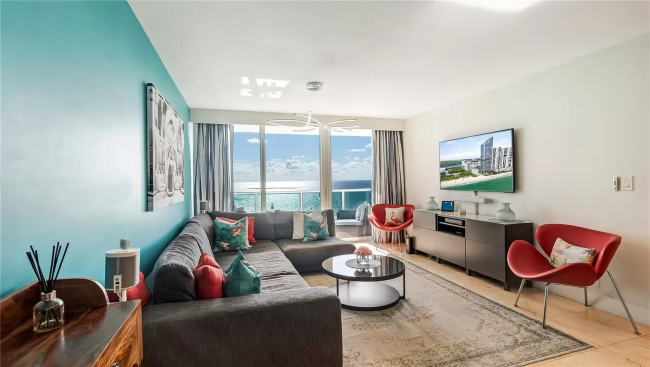
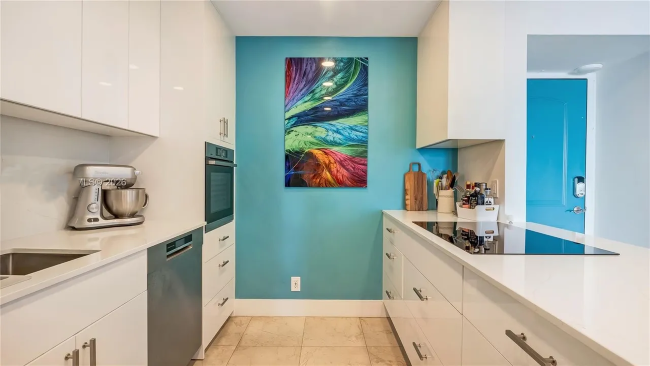
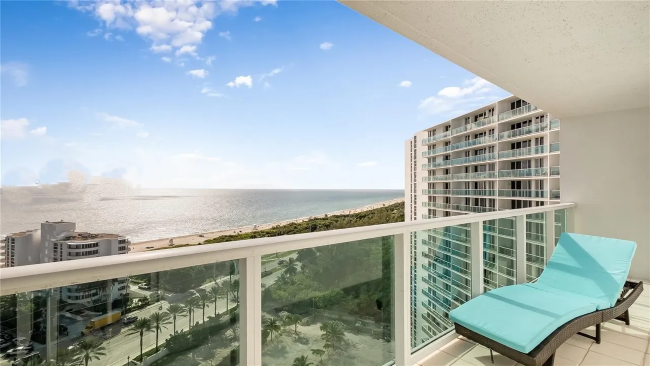
1975 - Arlen House East, 100 Bayview Drive, Sunny Isles Beach FL. 599 units over 22 stories. Example unit: 1807, 2 bd/2 bath, 1,357 sf. Sold in 2026. Note: Arlen House consists of 3 buildings, all designed by Lapidus for Arlen Realty Development Corp.
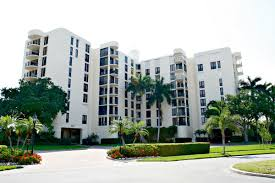
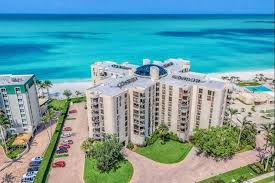
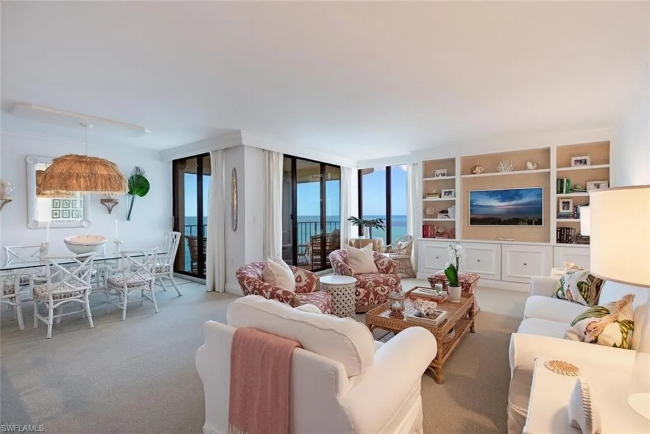
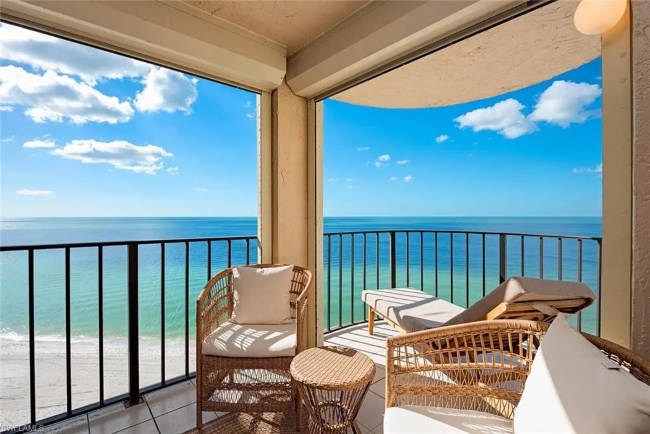
1978 - The Lausanne Apartments, 3115-3215 Gulf Shore Boulelvard., Naples FL. 2 towers, 12 stories each. Example unit: 3115 Gulf Shore unit 706S, 2 bd/2.5 ba. Sold in 2025.
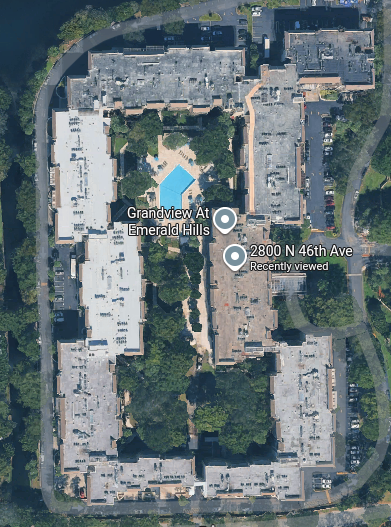
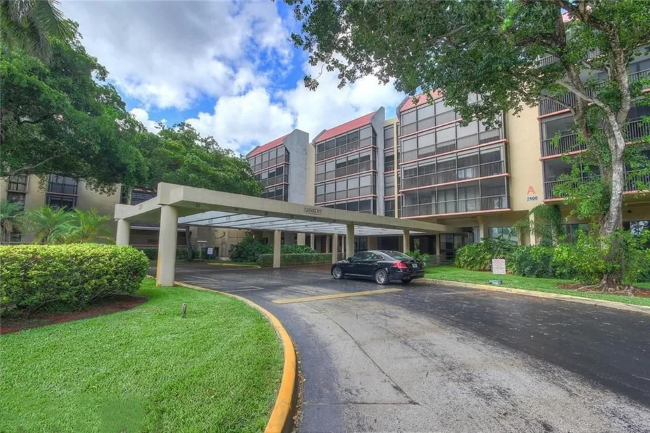
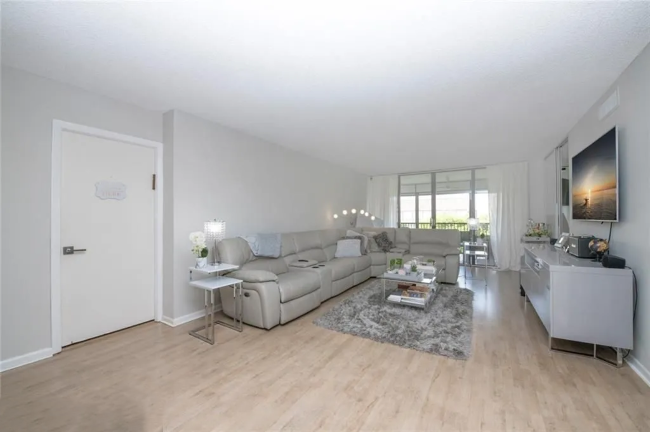
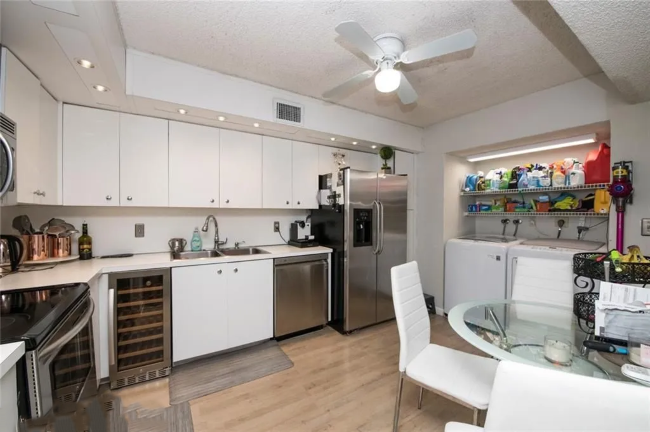
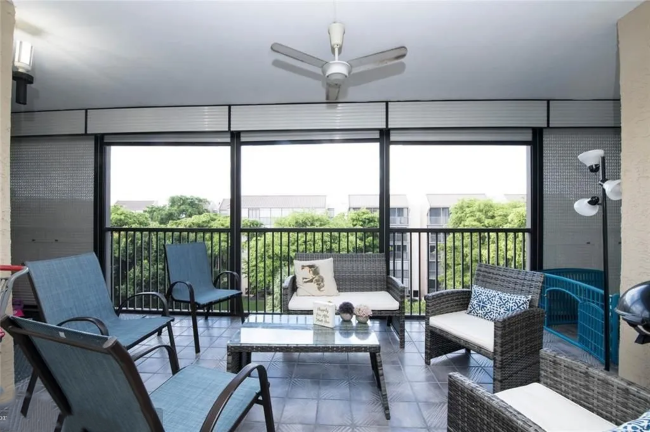
1981 - The Grandview Condos at Emerald Hills, 2800 North 46th Avenue, Hollywood FL. Example: Apt A603, 2 bd/2 ba, 1,314 sf.
Sources include: Granddaughter Jennifer Lapidus. Research by Catherine Cramer.