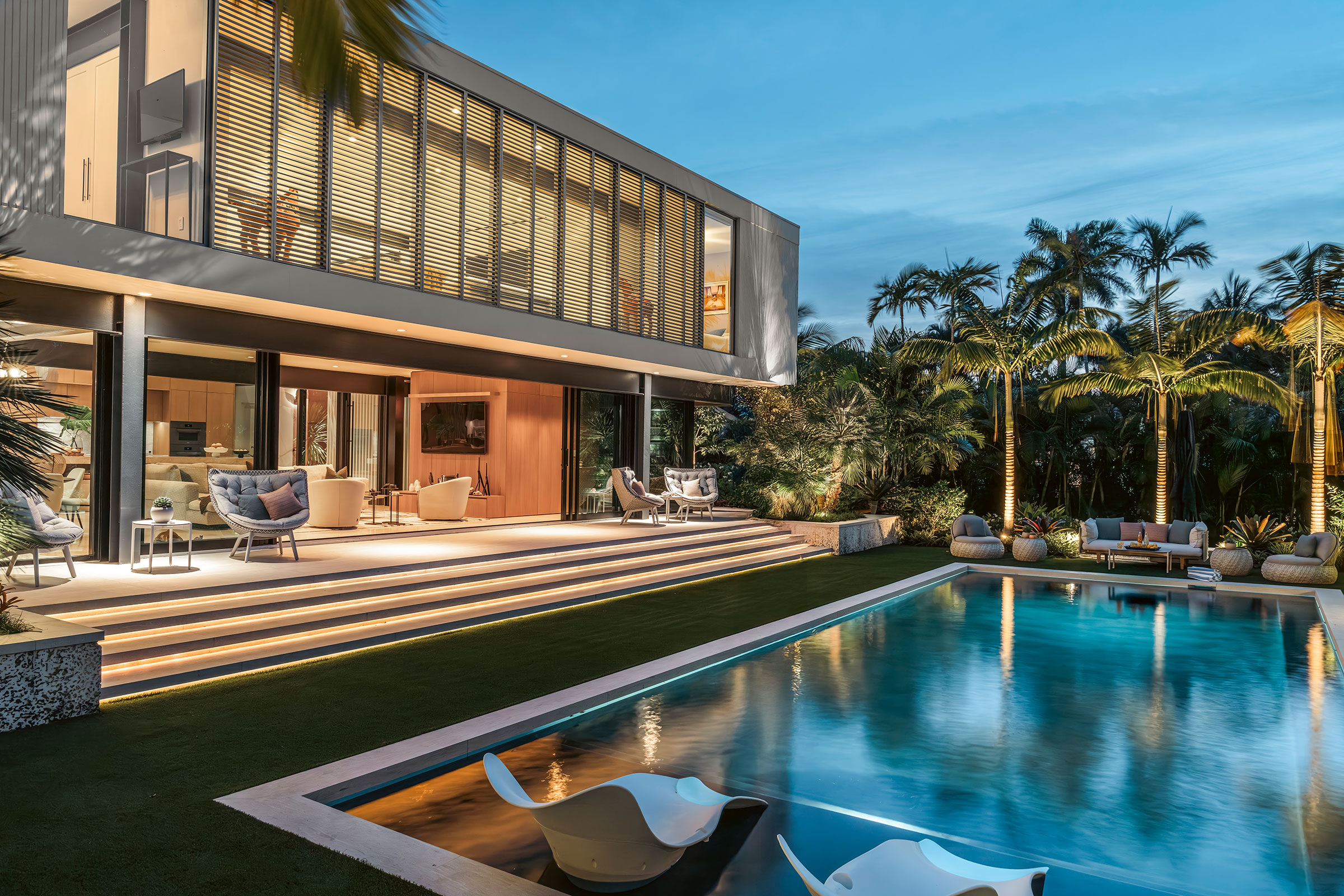
Join architecture fans from around the country on Friday for Sunset & Steel, the latest edition of USModernist’s Moon Over Modernism — wildly popular nonprofit benefit parties and tours in celebrated Modernist houses.
Sunset and Steel features curated cocktails, delicious seasonal appetizers, and live jazz at golden hour — inside the beautiful restoration of Paul Rudolph’s 1956 Biggs House. It’s quite a story. Learn more about it in the Wall Street Journal.
Consider the question the whole design world is debating: what does it really mean to restore a building? And what do you say about origins when it’s finished?
Come stand in the beauty of an amazing renovation at sunset, drink in hand, under the steel Rudolph drew, and decide for yourself.

USModernist is the world’s largest open digital archive of 20th-century residential architecture — over 30,000 houses, 300 architects, and 5.2 million pages of architecture and design magazines, all free to access at usmodernist.org. Proceeds from Sunset & Steel support the archive’s mission to document, preserve, and promote America’s Modernist houses.
The Invitation
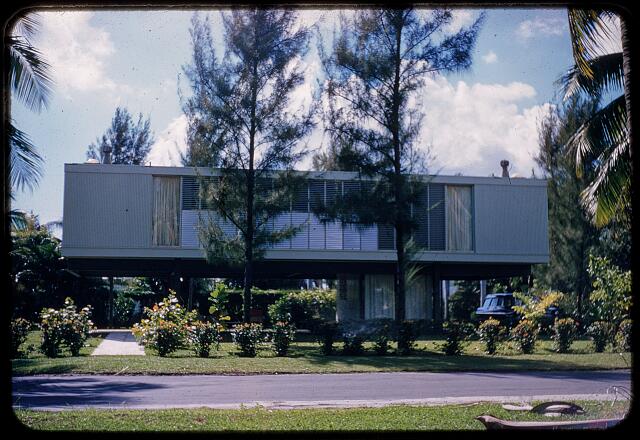
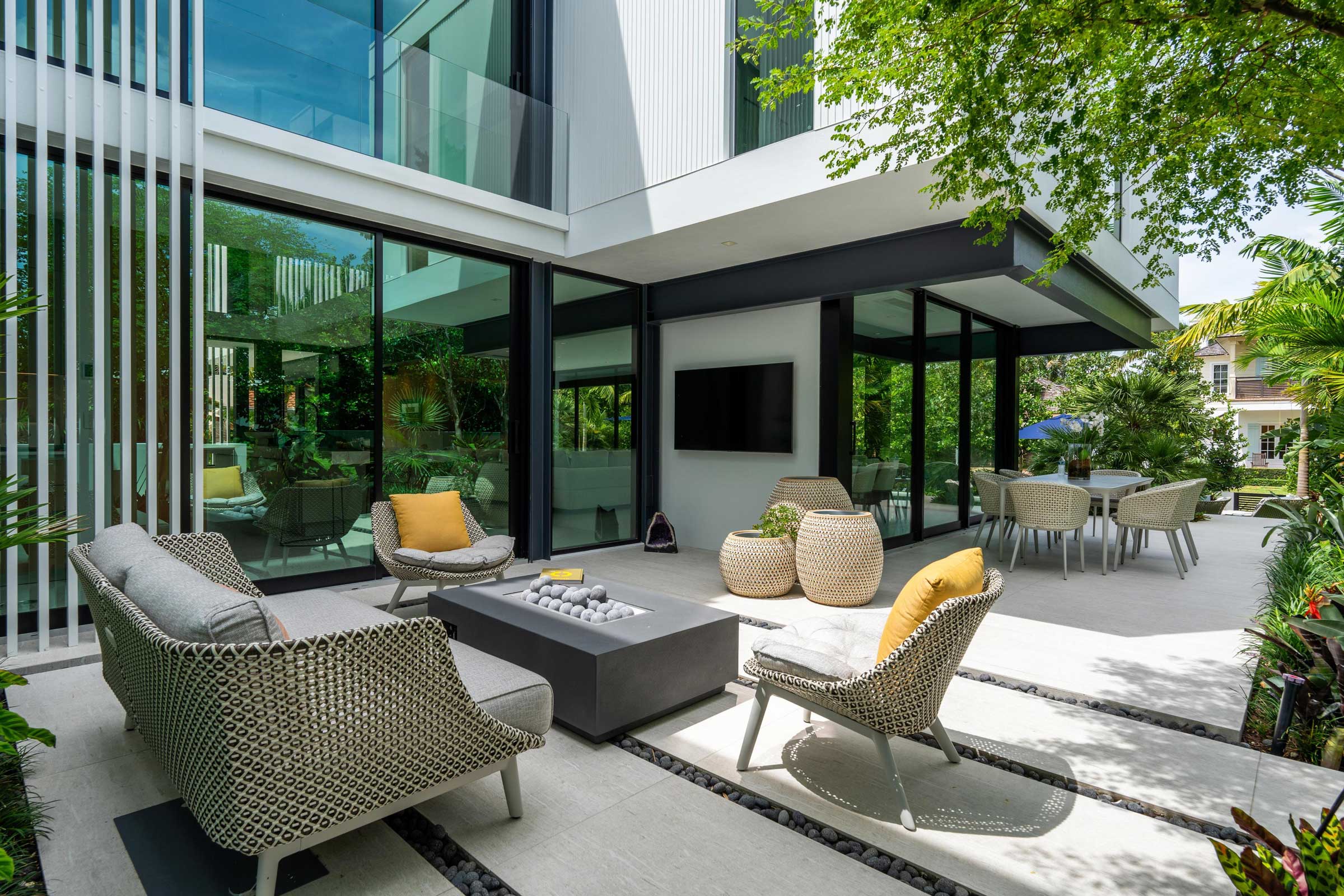
In 1955, art collector Sewell C. Biggs asked a young Paul Rudolph to design him a vacation house by the ocean. Rudolph answered with a 1,600-square-foot glass pavilion floating on exposed steel columns, built by Delray contractor James Sinks — jalousie windows pulling the sea breeze through rooms built before air conditioning, one of the only Rudolph houses ever constructed on Florida’s Atlantic coast.
Seventy years, two teardown scares, one red velvet satchel of lost Rudolph drawings, a demolition heard around the preservation world, and a $7 million rebuild later — the house that made the front of the Wall Street Journal’s Mansion section this February is opening its doors for one night. For us.
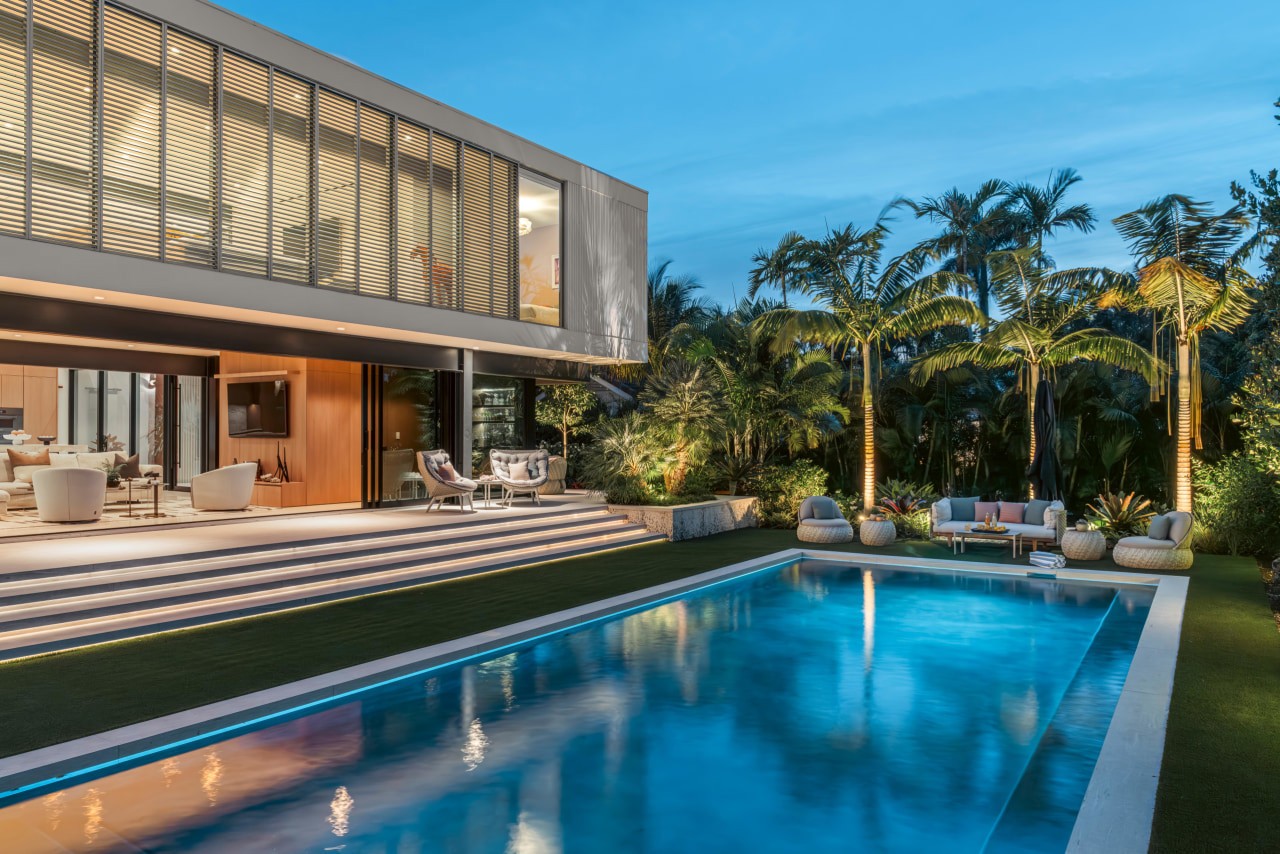
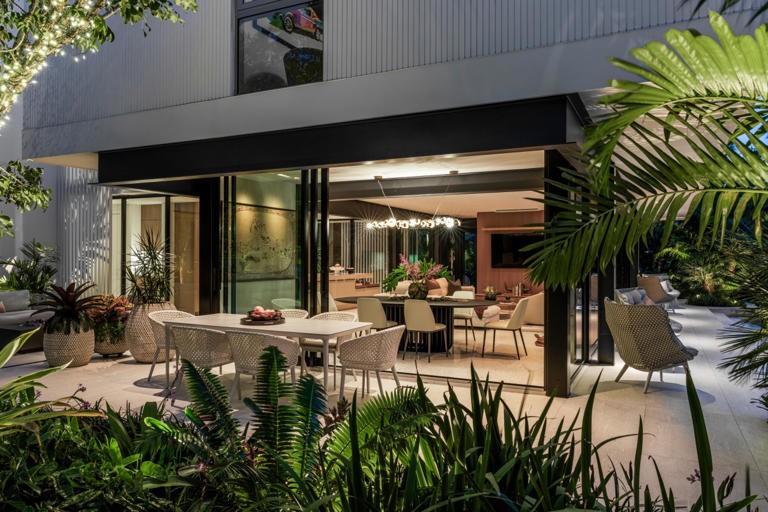
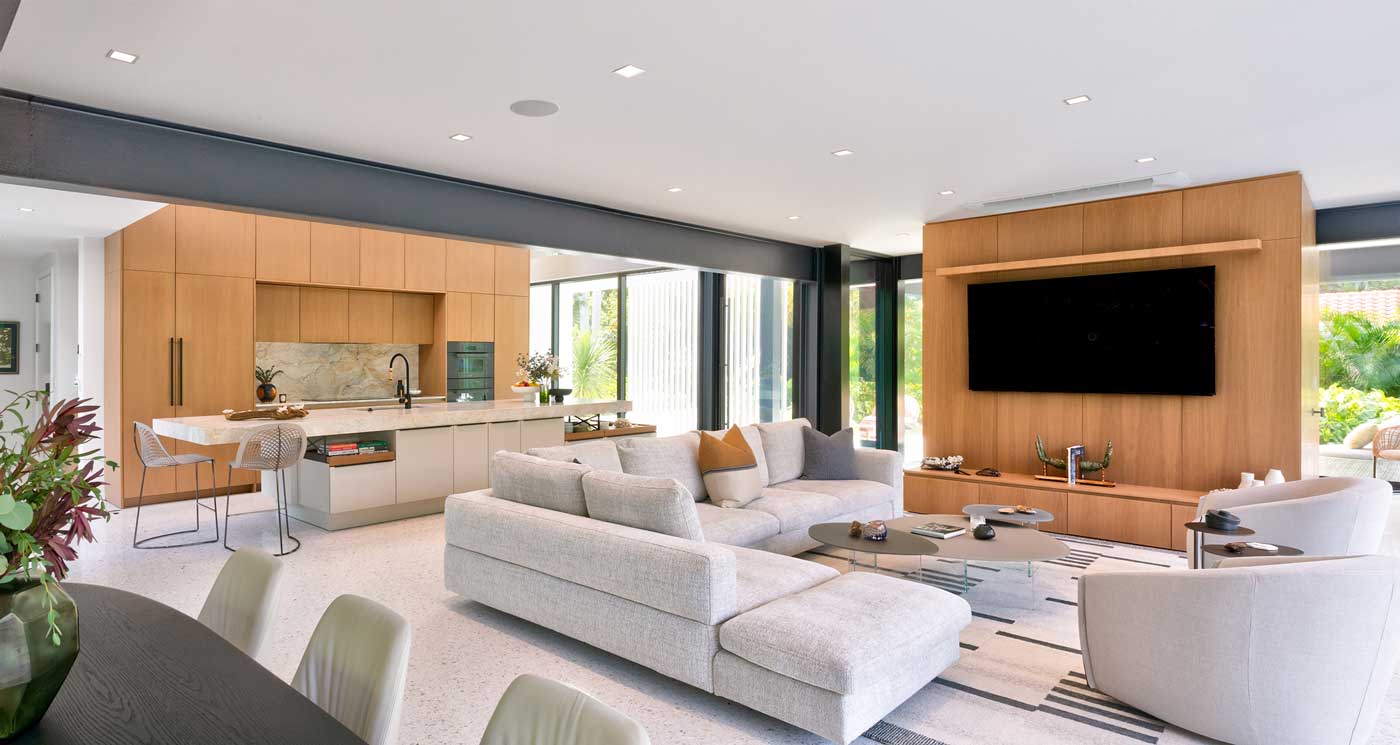
Owners Mike and Nina Marco welcome you for sunset curated cocktails, delicious appetizers, live jazz, and the opportunity to explore and discuss the house with the couple who bravely brought it back.
“…simplicity, elegance, discipline and good proportions.”
“Two Local Architects Win National Awards”
Even in 1959, this house sparked debate: some awards jurors faulted the tight stair and the ground-floor transition — but the jury agreed a stilt house was a livable answer to Florida.
Venjhamin Reyes
Venjhamin Reyes
Venjhamin Reyes
Venjhamin Reyes
Venjhamin Reyes
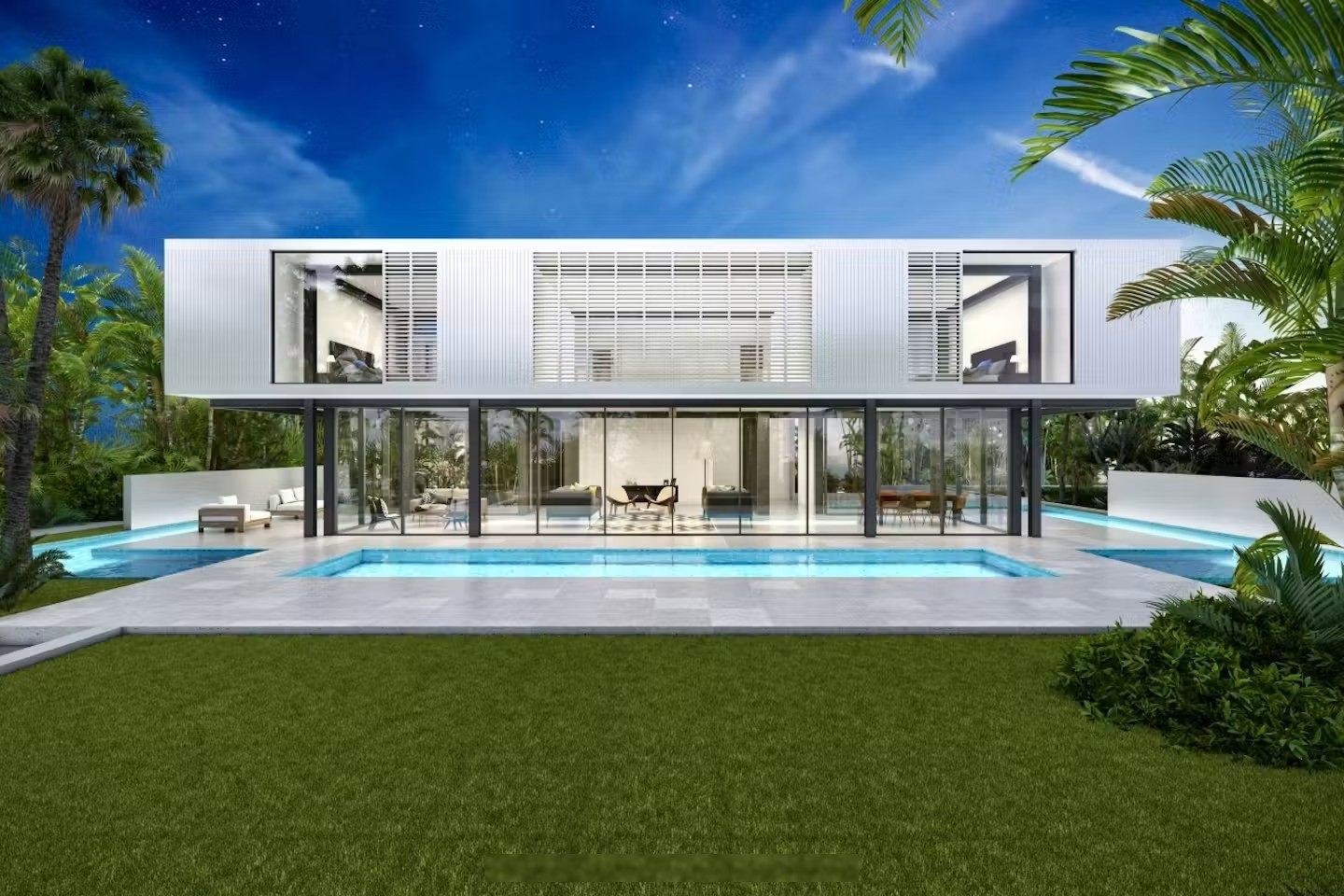
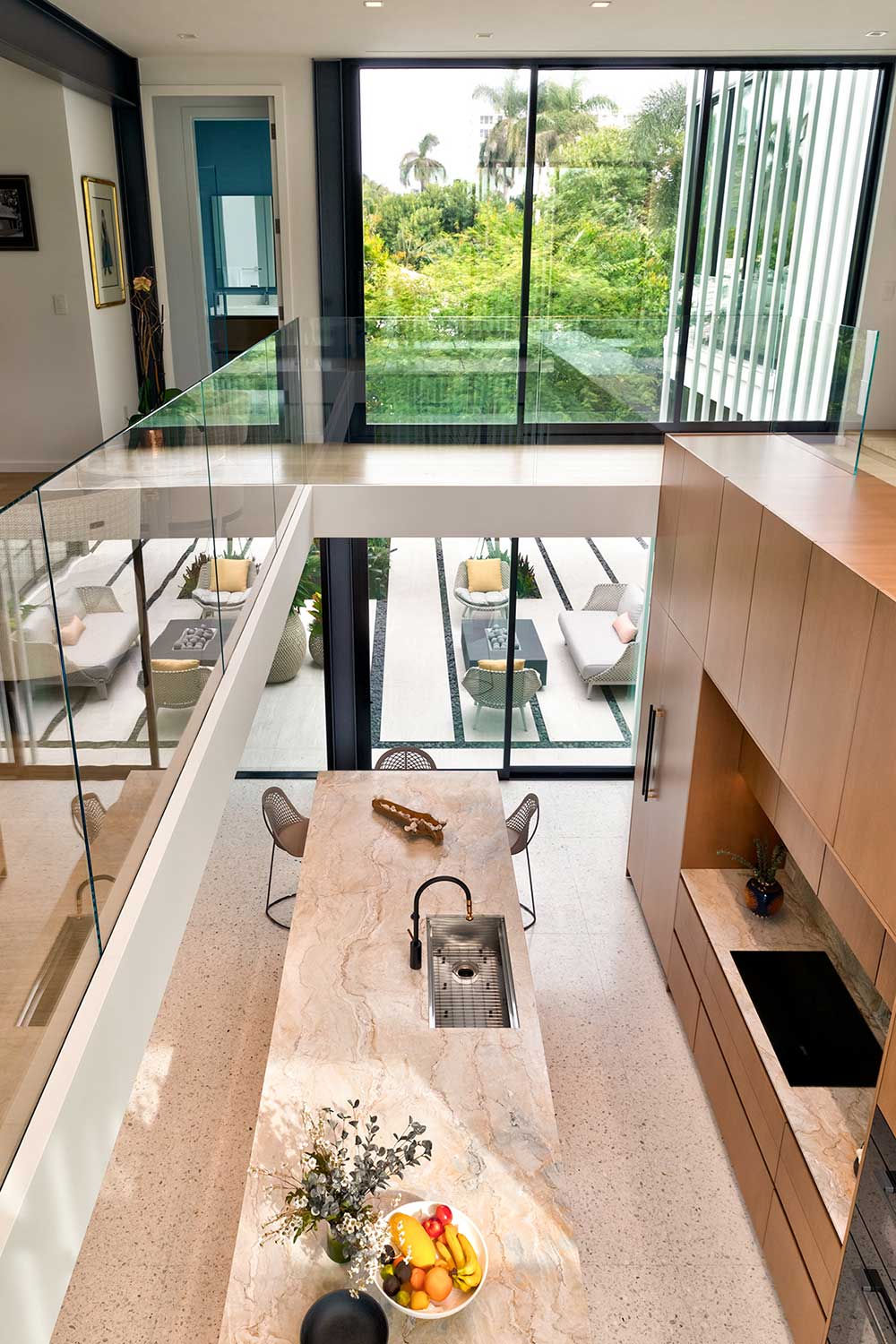
Venjhamin ReyesThe Marcos bought the house in 2018 and, the day they closed, found Rudolph’s original plans and photographs left in a bedroom closet. What followed was six years of approvals, discoveries, corroded steel, a stop-work order, a magistrate hearing, an after-the-fact permit, and a meticulous rebuild from Rudolph’s own drawings — finished in 2024.
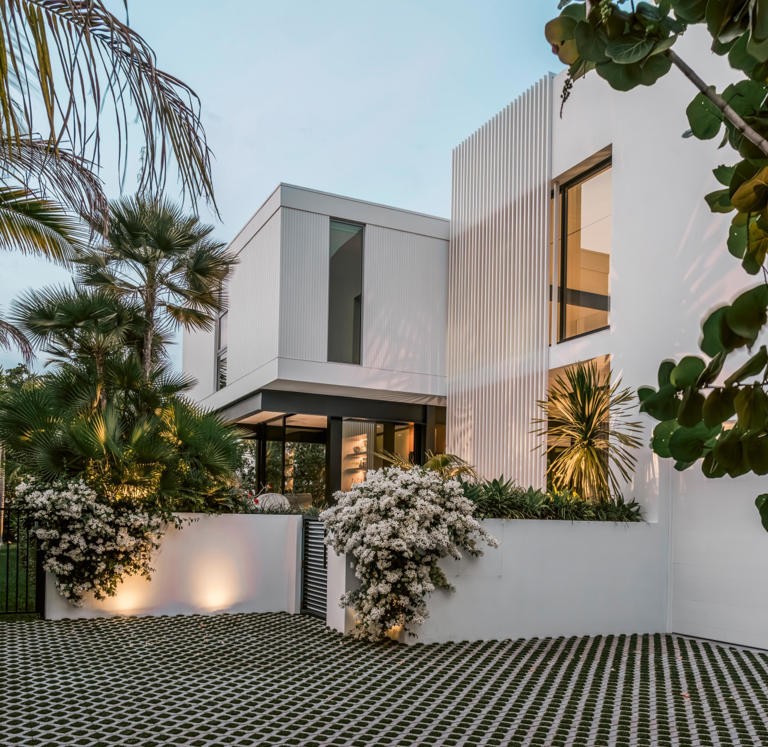
Delray Beach architect Jeffrey Silberstein guided the Biggs House back to life. Raised in Curaçao and educated in New York and Boston, he founded Silberstein Architecture in 1989, earning multiple AIA Honor Awards for residential work and recognition from Ocean Home Magazine as one of America’s top 50 coastal architects. From the first Historic Preservation Board hearing in 2018, Silberstein shaped the plan to remove the non-contributing additions and restore Rudolph’s original pavilion — then designed the sympathetic new addition behind it, joined by a glass connector, keeping Rudolph’s 1956 vision the star. Fittingly, he lives in Delray in an AIA award-winning home of his own design.
The Paul Rudolph Institute for Modern Architecture, the nonprofit that stewards Rudolph’s archive and legacy, holds a principled position: once the original fabric came down, the house ceased to be an authentic Rudolph, and it considers the Biggs Residence demolished. Other preservationists, the city, other Rudolph organizations, and the owners see it differently, but they don’t all agree either.
“…a classic struggle between property rights and preservation ideals.”
“We will bring back this home the way that Mr Rudolph intended.”
“It’s a labor of love. That’s how it makes sense to me.”
“…properly executed rehabilitation and partial reconstruction can continue to be listed” as historic.
“Paul Rudolph didn’t have hurricane glass in the 1950s.”
“The original residence will remain ‘demolished’ in our project list.”
“No reconstruction of a building can authentically match the original.”
The city’s Historic Preservation Board chairman asked the city’s expert to make the case to the Rudolph Foundation that the rebuilt house remains an authentic Rudolph design.
Silberstein ArchitectureReserve Your Place
Purchase Tickets
Tell your spouse. Mark your calendar. Get your tickets!
Details
212 Seabreeze Avenue, Delray Beach — one block from the ocean, five minutes from Atlantic Avenue. Parking is limited, we encourage rideshares. Recommended accommodations: Opal Grand and Seagate.
Palm Beach mod. Linen, color, vintage encouraged. Flat or low shoes recommended — the terrazzo and lawn are kinder to them.
October evenings in Delray average 79°. Event proceeds rain or shine; the ground-floor pavilion is covered.
Self-reported AIA CEU credit available if arranged in advance. This house is a live case study in reconstruction standards — bring your questions and chat with the owners.
Images from the Paul Rudolph Archive at the Library of Congress · Casa de Marco Design · Venjhamin Reyes